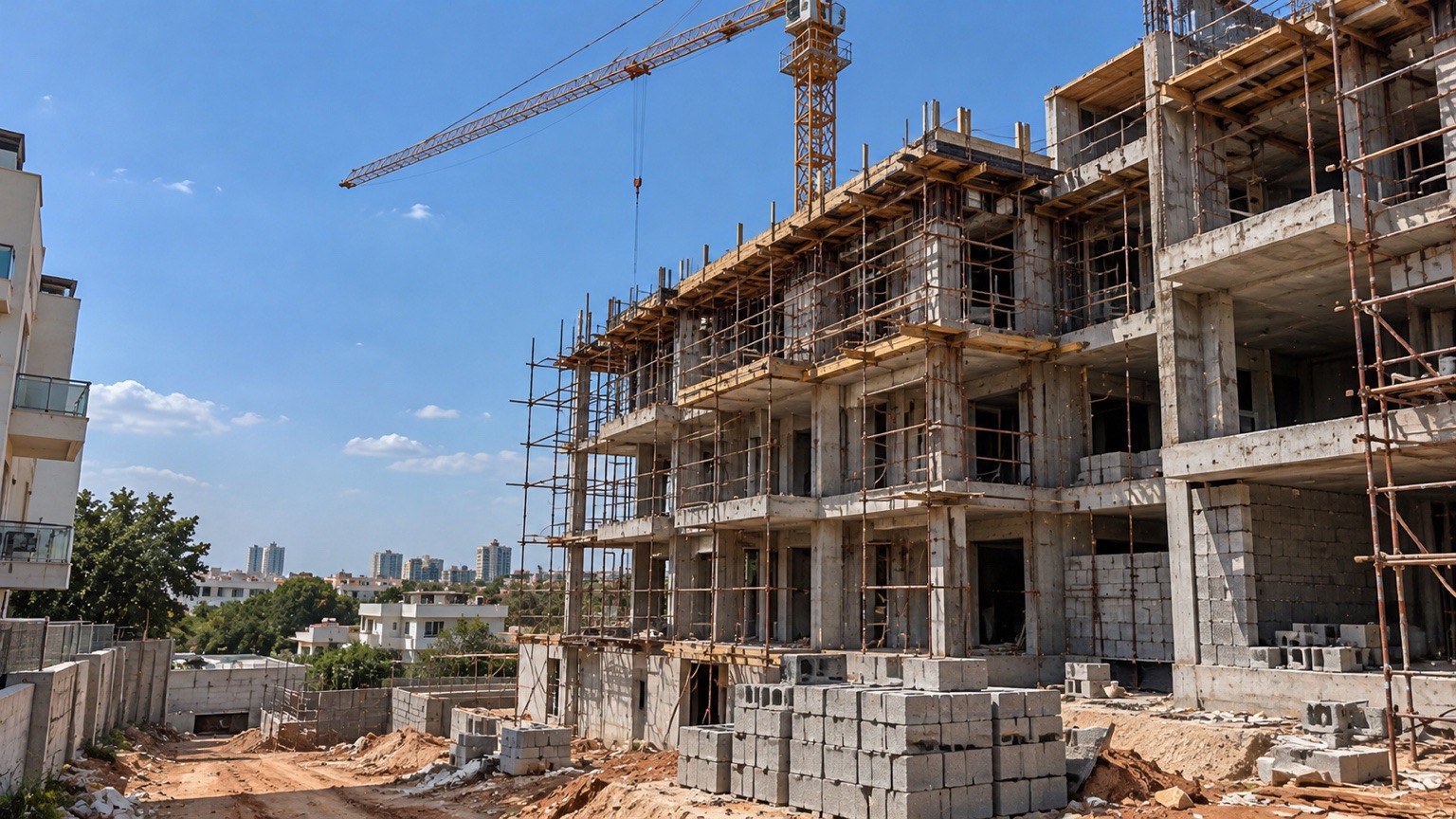
A developer literally sells you an apartment that doesn’t exist yet, trippy right?
You pay in instalments, watch construction progress and trust that the building will eventually look like the brochure.
But what happens when construction stalls, costs rise or the promised completion date passes?
Buying off-plan is not necessarily a bad investment. It can offer lower entry prices, flexible payment plans and the opportunity to benefit from appreciation before completion.
The risk is that you are committing money to a building that is still dependent on financing, construction and approvals.
The question now is whether the potential benefit justifies that uncertainty.
The price advantage
Suppose an off-plan apartment costs ₦100 million, while a genuinely comparable completed apartment is worth ₦180 million.
The apparent difference is ₦80 million.
But that is not automatically a ₦80 million profit. You must account for construction delays, additional charges, the time value of your money and whether the completed property can actually command that price.
Projected appreciation is not guaranteed appreciation.
The developer’s ability to deliver
A beautiful render tells you what is proposed, not what will be completed.
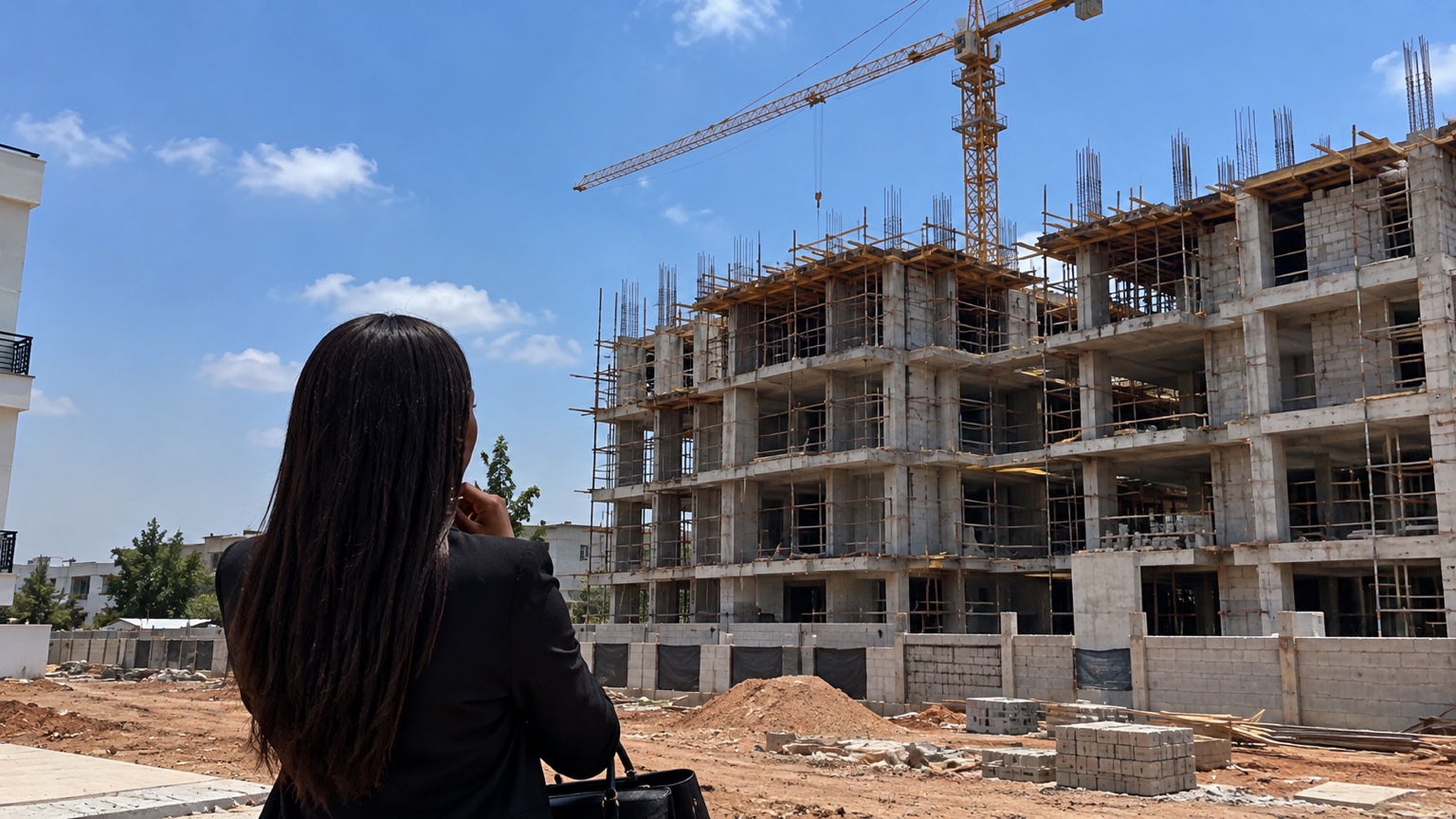
Before paying, investigate the developer’s previous projects, current construction progress, funding arrangements and delivery timelines.
Rising construction costs can strain a project’s finances. If the developer depends heavily on buyers’ instalments, slower sales or delayed payments may affect construction.
Ask what happens if the project is delayed or the developer cannot complete it. The answers should be reflected in the contract, not left to verbal assurances.
The documentation
A Certificate of Occupancy does not, by itself, establish that every proposed building has the necessary development approvals.
Before committing funds, establish:
- Land title: Who owns the land, and is the developer legally entitled to develop and sell it?
- Planning approvals: Have the relevant development and building approvals been obtained?
- Purchase agreement: Are the price, specifications, payment schedule, completion date and remedies for default clearly stated?
- Individual title: What legal interest will you receive, and what documentation or registration remains outstanding?
- Refund provisions: What happens to your money if the project fails or you terminate the agreement?
In Abuja, title records should be independently verified through the appropriate FCT land administration channels, including AGIS where applicable. Have a property lawyer review the documents before payment.
The question you should have at your fingertips.
What happens if you need to sell?
A property may appreciate on paper and still be difficult to resell. Your eventual buyer will consider the location, price, quality, title, competing developments and actual demand.
The developer’s projected returns are not proof of future market value.
That is why I would evaluate the developer, the documentation, the construction programme and the exit strategy before deciding whether the price is attractive.
The goal is not to eliminate every risk. It is to understand the risks you are accepting before your money is committed.
Sources for verification
FCT Department of Development Control
AGIS land administration services
Nigeria’s Land Use Act, Section 22
MARGIN
What readers are saying
Never miss a drop.
New MARGIN writing, every Sunday. Leave your email and we’ll let you know when the next issue is live.

MARGIN is Joy Amadasun’s personal editorial journal on real estate, life and everything in between.
MARGIN
Life becomes more interesting at the edge.
← Read MARGIN Issue 014Back to MARGIN →
Speak with Held Olive Realty →