A client once told me, very confidently, that she could afford the house.
She had done the maths. She had spoken to her bank. She knew exactly how much she was prepared to spend, and from where I was sitting, she had done a fairly good job of thinking it through.
So we started looking.
She had a clear idea of what she wanted. The houses were beautiful, locations were good, and every time we found something that seemed to fit, she would ask questions about the price and payment structure. She was really focused on making sure she stayed within the amount she had already decided she could spend.
At some point, though, I asked her a slightly different question.
“Have you thought about what it will cost you to own the house?”
She paused.
It wasn’t that she hadn’t thought about it at all. She just hadn’t thought about it as part of the purchase.
And yes, this happens quite often.
When we talk about buying property, we naturally focus on the biggest number. If the house is ₦300 million, then ₦300 million becomes the decision. You think about how much you have, how much you need to raise, whether you can negotiate the price and whether you are comfortable parting with that amount of money.
Once you’ve paid, there is a feeling that the expensive part is over.
There may be legal fees, documentation, agency fees and statutory charges. You could be handling renovation or furnishing costs before the property actually feels ready for you to use. Depending on the property, there could be service charges, security, power, water, landscaping and general maintenance.
And then there are the things you don’t necessarily think about until something breaks.
The generator needs servicing, Air conditioners need attention, swimming pool needs maintenance & the roof might suddenly decide to become a problem.
None of these things necessarily make the property a bad purchase. That’s not what I’m saying.
A large house will generally cost more to maintain than a small apartment. A serviced estate will have expenses that come with the services and a property with more facilities will usually require more money to keep those facilities functioning.
The issue is not that these costs exist but whether you knew they existed before you bought.
That distinction is very important because people use the word affordable very casually when talking about property.
If someone can raise ₦300 million, we say they can afford a ₦300 million house.
But can they afford the house after paying for it?
Can they furnish it without putting themselves under unnecessary pressure? Can they comfortably handle the annual expenses? Can they continue investing? Can they deal with an unexpected expense without having to sell something or borrow money?
And that becomes even more important when you’re buying property as an investment.
If you are buying an apartment because you expect rental income, it is easy to look at the expected rent and feel good about the numbers.
But “rent” is not the whole story.
If a property generates ₦10 million in rent in a year, you still have to consider maintenance, management, service charges, vacancy periods, repairs and other expenses. The amount that comes into your account is not necessarily the amount you actually made from the property.
I usually prefer to look at what the property does after expenses, rather than getting too excited about the headline rental figure.
A good property conversation should not always begin and end with, “What is your budget?”
It’s important want to know what the money is supposed to do for you.
Are you buying a home? Are you buying an investment? Are you trying to generate rental income? Are you buying land to hold? Are you building for your family? Do you need something you can sell relatively easily if your plans change?
Because once we’re clear on that, We can start looking at the property differently.
And I can also tell you when I think something that looks attractive may not actually be a good fit.
Before buying, I think every buyer should be comfortable asking a few boring questions.
What will I pay apart from the purchase price?
What will it cost me to own this property every year?
What will maintenance look like?
I don’t think asking these questions makes you less excited about property.
If anything, I think it makes the excitement safer.
Because I still want you to walk into a house and love it.
I just don’t want you to love it so quickly that you forget to ask what happens after you buy it.
A property purchase eventually becomes an ownership experience.
And ownership is much longer than the day you make the payment.
That is why when someone tells me, “I can afford this property,” I don’t immediately disagree with them.
I just want to know what they mean.
The better you understand the answers, the better your property decision is likely to be.
A property worth looking at
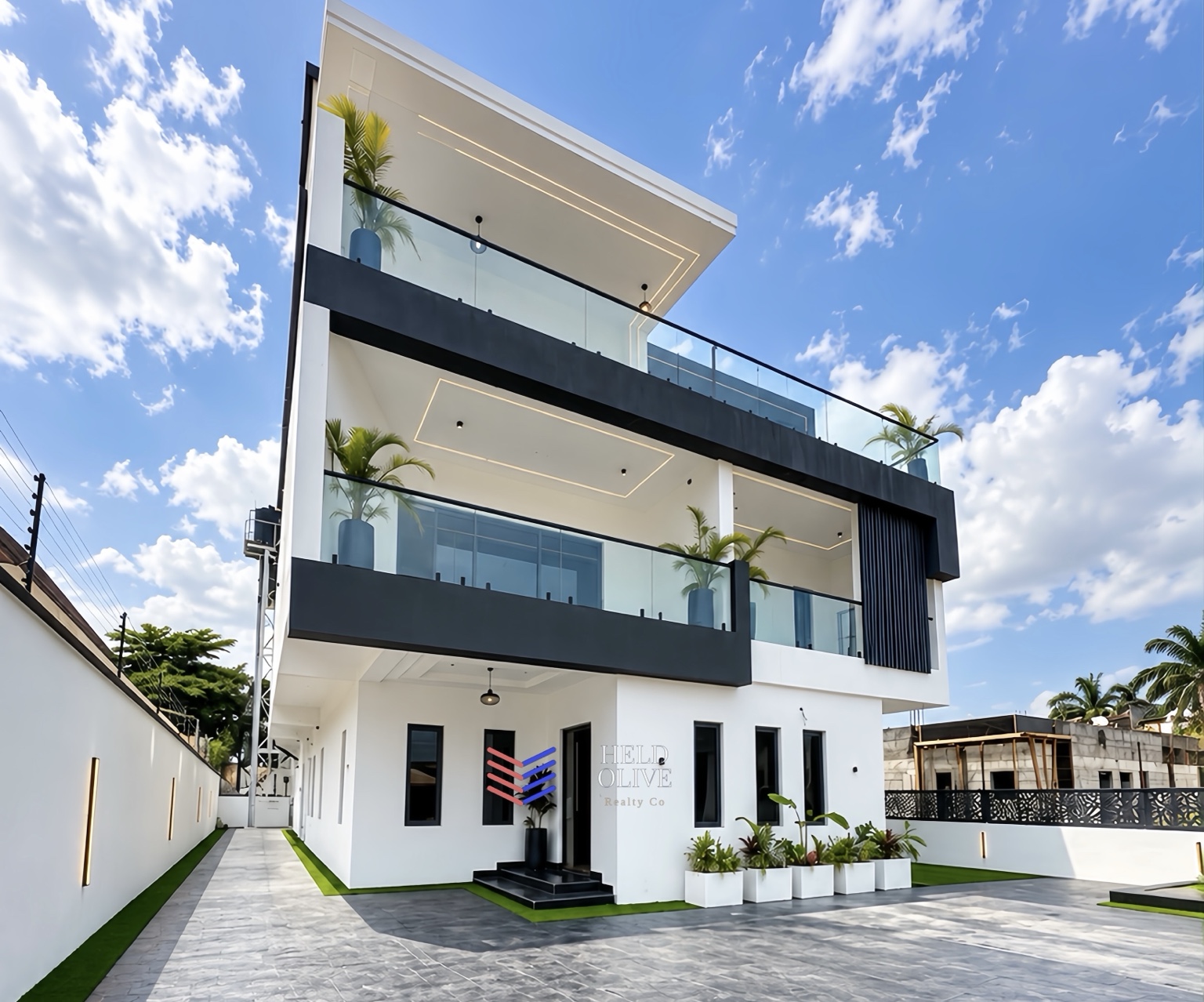
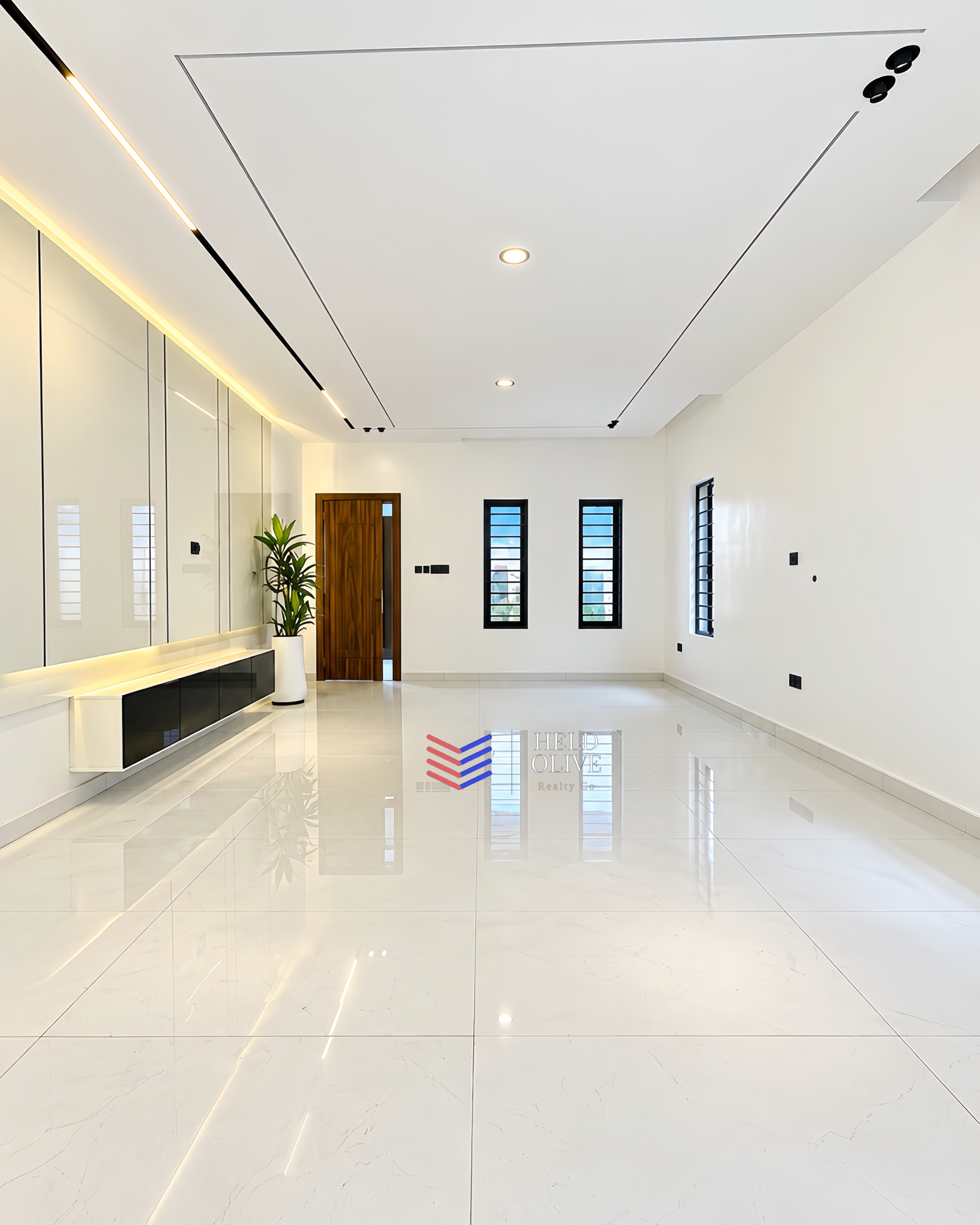
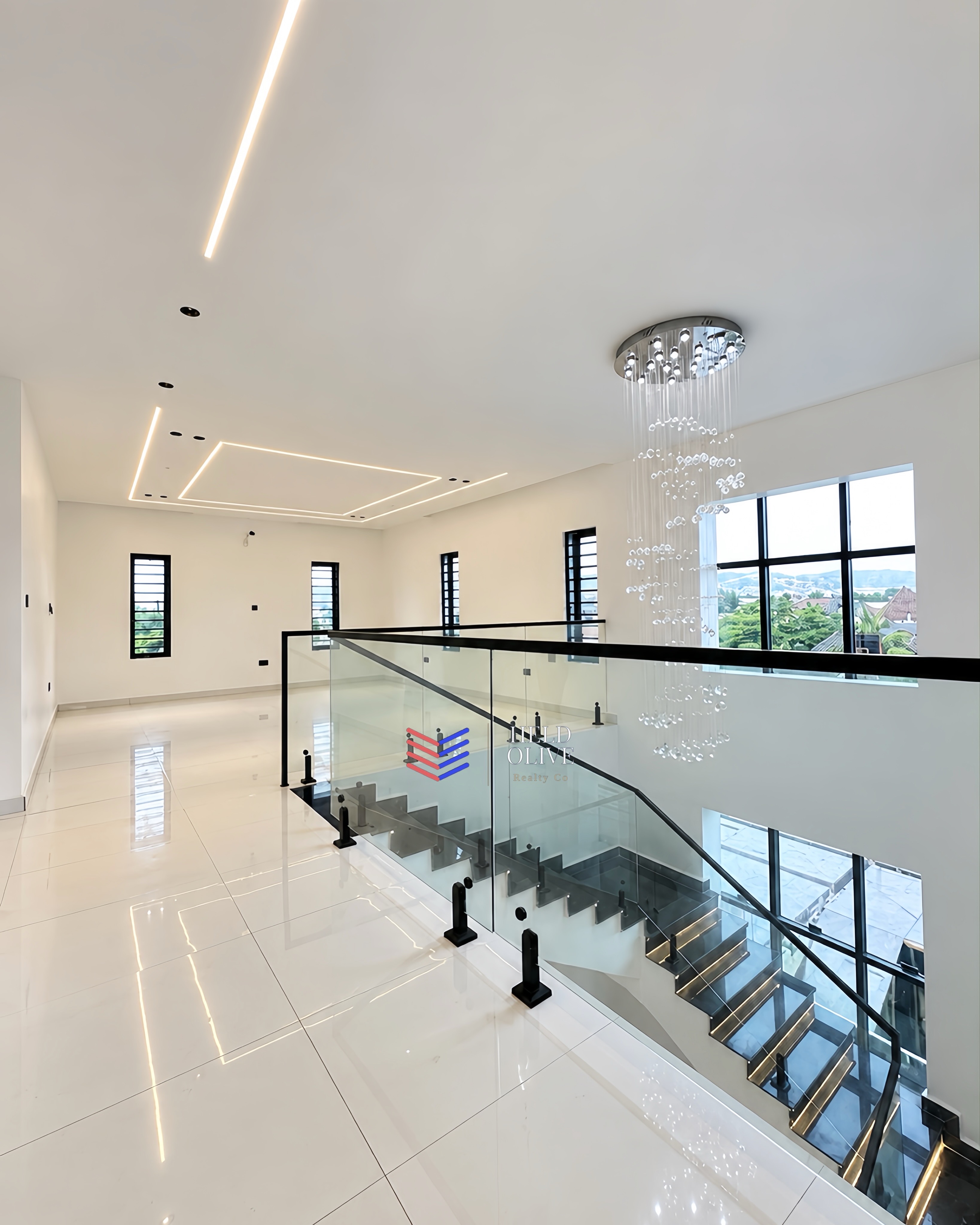
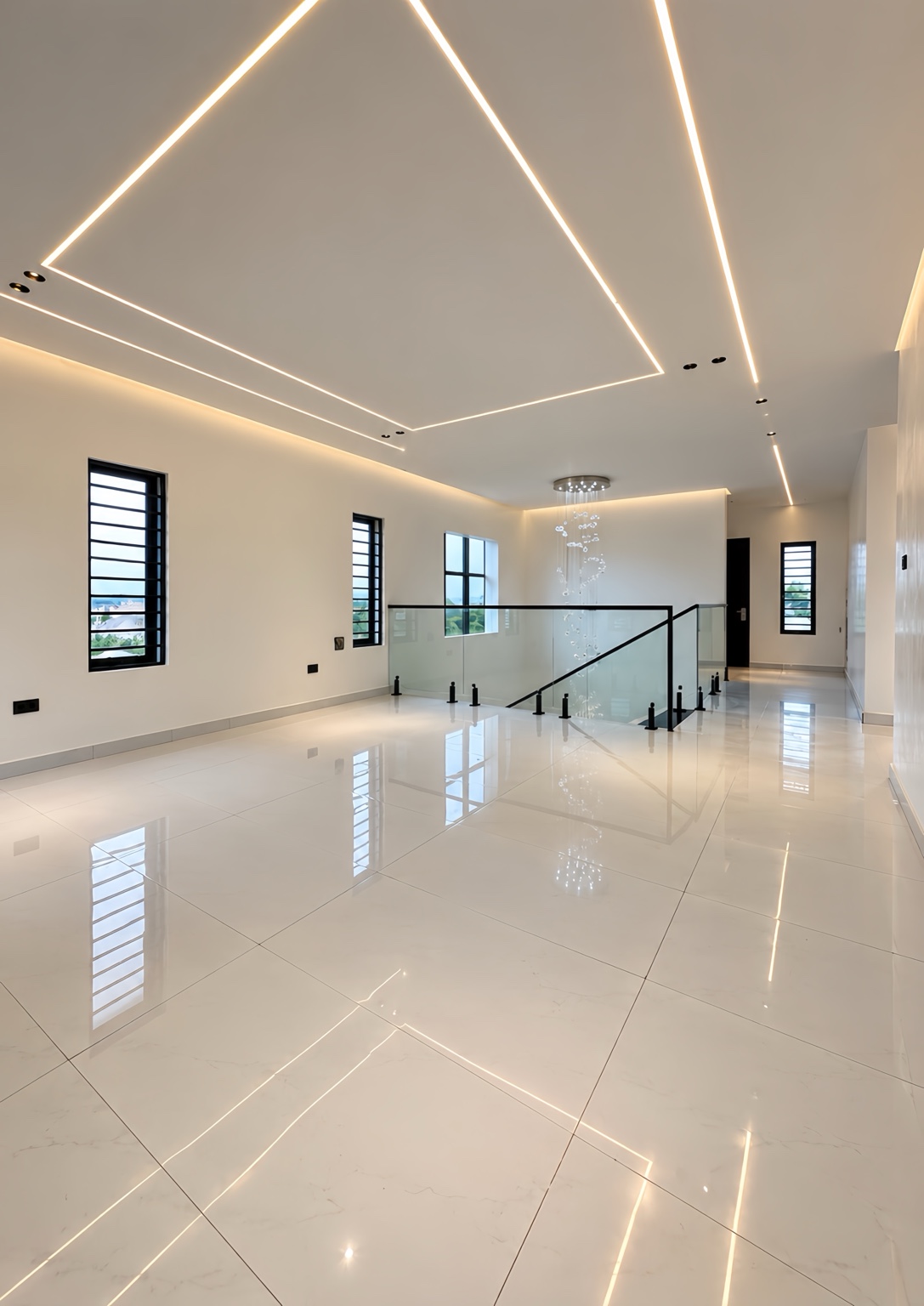
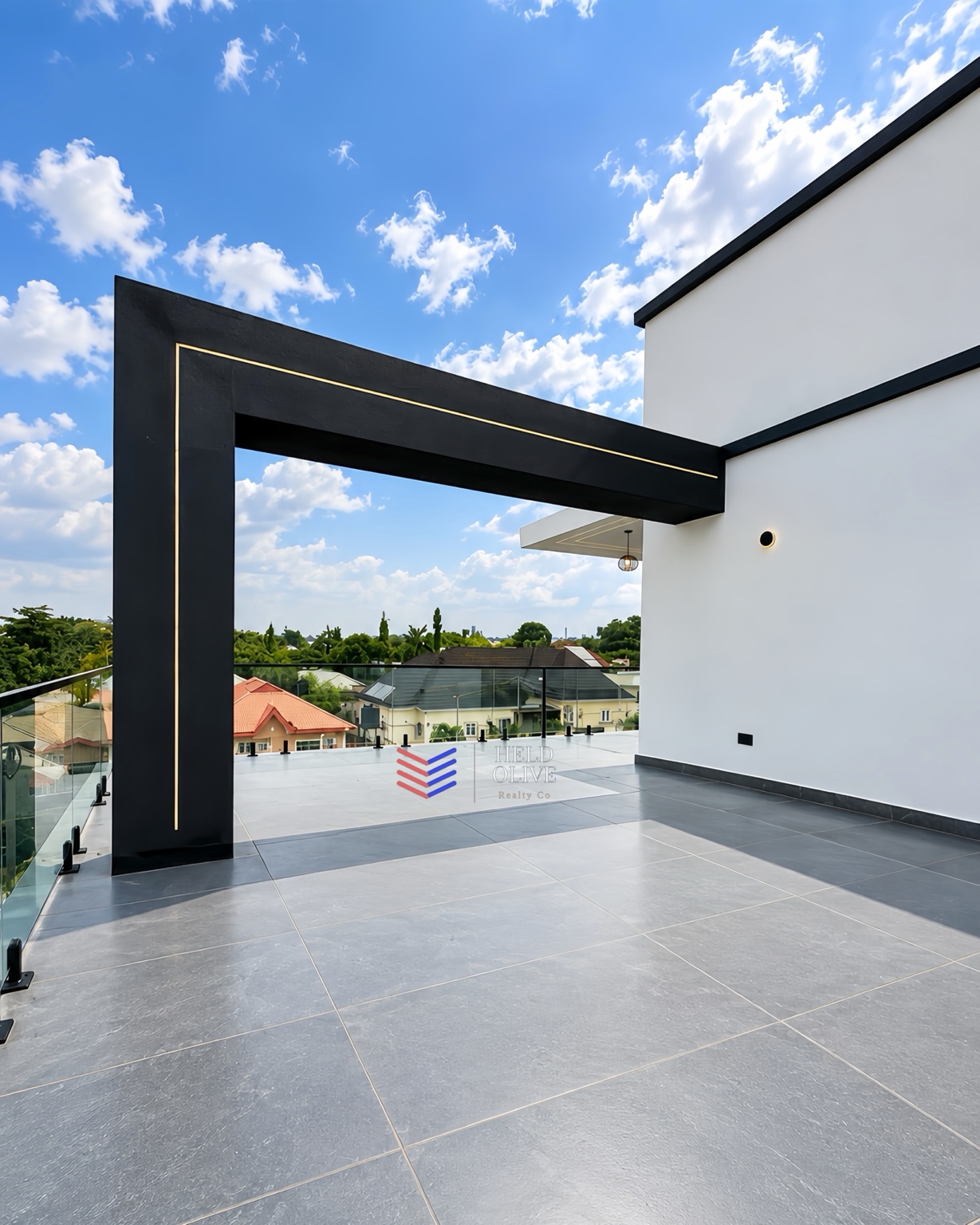
The house you just saw is a 5-bedroom detached duplex in Gwarimpa, Abuja, thoughtfully designed for spacious, comfortable living.
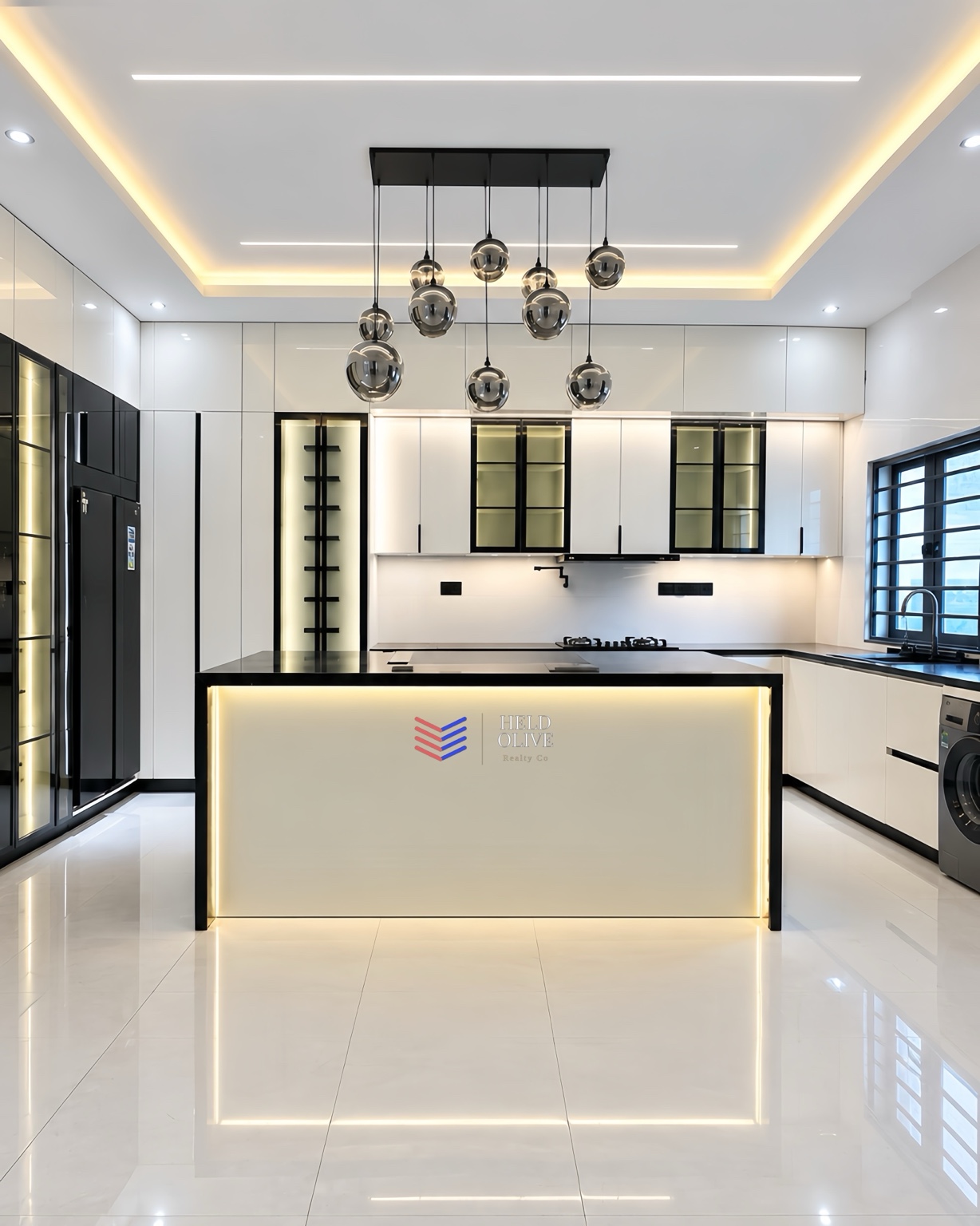
The property features 4 en-suite bedrooms, a 1-room BQ, a fully furnished kitchen, ample parking space and a spacious balcony with a beautiful view of the city.
It also offers quality finishing, a serene environment, greenery, good road access and serviced living.
Location: Gwarimpa, Abuja
Price: ₦850,000,000 Asking
For more information, call Joy on +234 903 0388 824.
MARGIN
What readers are saying

MARGIN is Joy Amadasun’s personal editorial journal on real estate, life and everything in between.
MARGIN
Life becomes more interesting at the edge.
← Read MARGIN Issue 011Back to MARGIN →
Speak with Held Olive Realty →