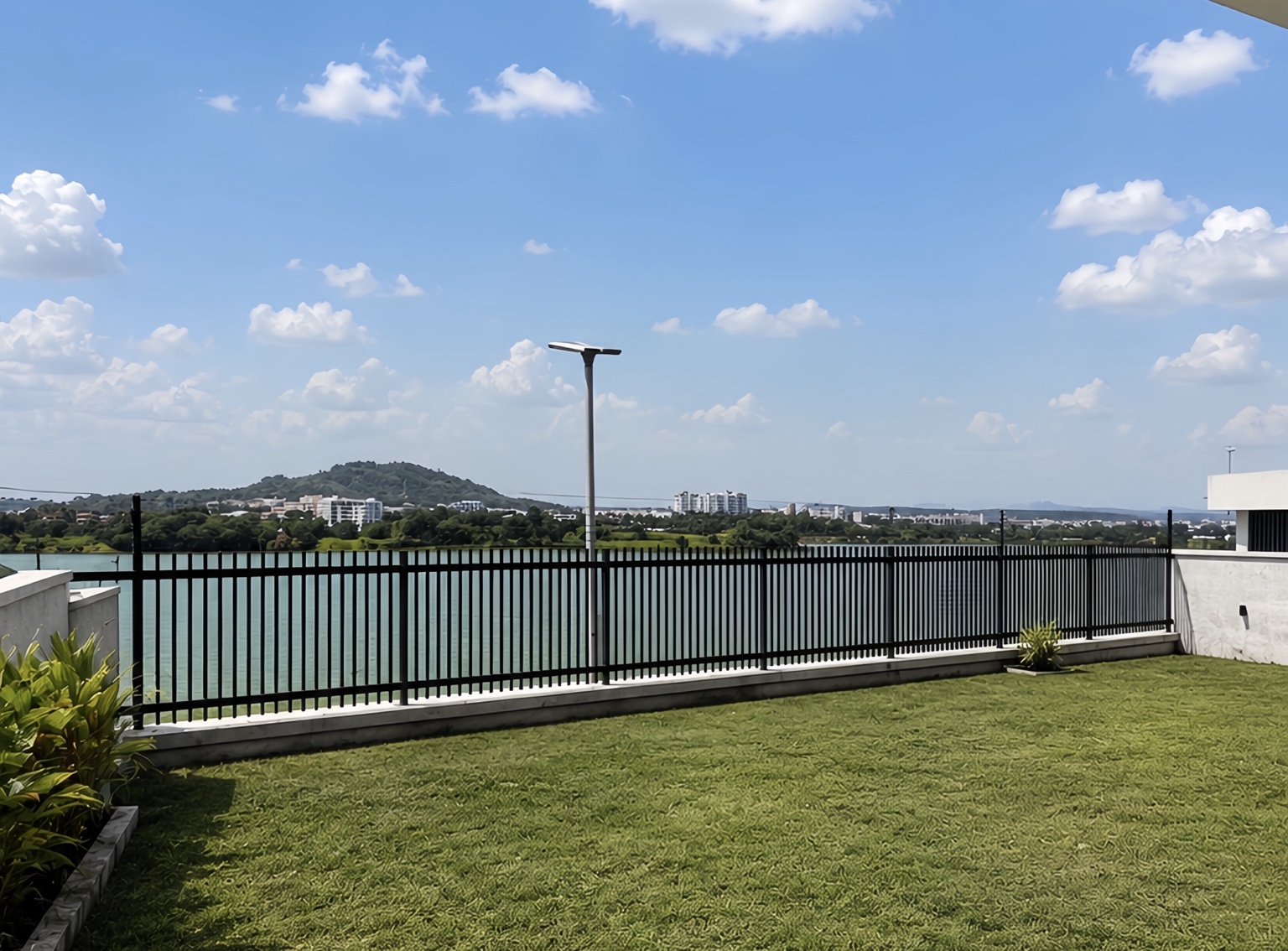
She had already decided she wanted the apartment before I had even opened the door.
I could tell from the way she walked in.
She was looking ahead of me, not around.
Her phone was still in her hand, the listing open on the screen, and before I had finished saying anything about the property, she looked at me and said, “I really like this one.”
We had been there for less than a minute.
The apartment was beautiful. Tall ceilings. Clean finishing. A kitchen that could make almost anyone briefly imagine themselves becoming the kind of person who hosts Sunday lunches.
I understood it.
I liked it too.
But as we walked through the rooms, I started asking questions.
How often are you actually in Abuja?
She paused.
Are you buying this to live in or as an investment?
Another pause.
Then I asked whether she genuinely wanted to live in that area or whether she had simply fallen in love with the apartment.
And suddenly, we were having a completely different conversation.
That is the thing about property. Sometimes, by the time a person tells you what they want to buy, they have already made the decision in their head. The viewing is simply where they hope the house will agree with them.
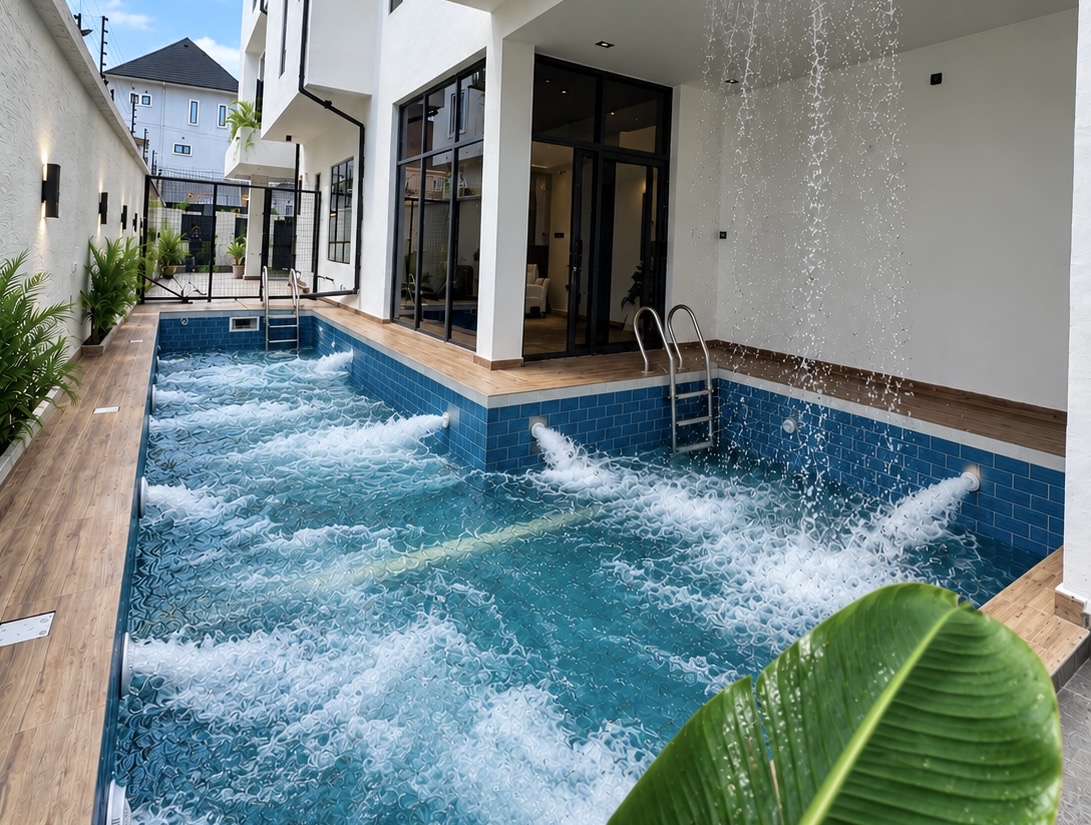
But before I show you a property, there is something I need to understand first.
You.
Not just your budget.
Not just how many bedrooms you want.
You.
What is happening in your life? What are you trying to build? What are you afraid of getting wrong? What does this purchase need to do for you after the excitement of buying it has disappeared?
Because people do not buy property in a vacuum.
They buy while thinking about marriage. Children. A relocation they have not told anyone about yet. A business that is doing well today but feels uncertain. Money sitting in the bank that they are tired of looking at. Friends who already own something. A parent asking, “So when are you buying your own house?”
Sometimes, the property is the decision.
Sometimes, it is only the visible part of a much bigger one.
And if I do not understand that bigger decision, I can show you a beautiful house and still show you the wrong thing.
I have had conversations that began with, “I want a four-bedroom duplex,” and twenty minutes later, I realised the person did not really want a four-bedroom duplex at all.
They wanted space for the family they hoped to have soon.
Someone else wanted land, but what they were really looking for was the feeling of security that came with being able to say they owned something.
Another person wanted an apartment because everyone around them had started buying property and, somewhere along the way, they had begun to feel late.
That feeling of being late can make people do strange things with money.
Fear has a way of making the nearest decision look like the safest one.
I think about that whenever someone tells me, “I just want to buy something before the price goes up.”
Maybe the urgency is justified.
Or maybe they have spent too much time watching other people move ahead and have mistaken anxiety for timing.
There is a difference.
And I think a good property conversation should be able to find it.
Before I show you a property, I also want to know what your money is doing.
Not exactly how much you have. You do not need to place your entire financial life on the table.
But I need to understand the relationship between this purchase and everything else.
Is this money all you have?
Can you afford to leave it tied up for years?
Are you borrowing?
Are you expecting another payment?
Do you have other responsibilities waiting for the same money?
Because ₦200 million can mean completely different things to two different people.
For one person, it is an investment allocation.
For another, it is everything.
The number is the same.
The risk is not.
And affordability, I have learned, is not simply being able to raise the asking price.
That is a distinction I wish more people considered before falling in love with a property.
Then there is a question I think we should ask more often:
I like that question because it usually reveals more than, “What do you want?”
A client might tell me they want luxury, then admit they would regret spending that much on a property they barely use.
Someone else might say location matters most, but realise they would hate living in an area where they feel disconnected from everything they enjoy.
A person might say they are buying for investment, then pause when asked what would happen if the property remained vacant for three months.
Now we are getting somewhere.
The right property is not simply the one with the best brochure.
It is also the one whose risks you understand well enough to live with.
This is why I do not believe in showing someone fifty properties and hoping one of them emotionally attaches itself to them.
After the seventh beautiful living room, everything begins to blur.
The marble.
The chandeliers.
The luxury finishing.
At some point, you are no longer comparing properties.
You are comparing feelings.
And feelings are useful. I would never tell anyone to ignore them completely. You should walk into a home and feel something. Sometimes you know immediately that a place has possibilities you had not considered before.
But I do not think emotion should be allowed to do all the talking.
Do I want this?
A good decision asks:
What does wanting this cost me?
Those are two very different conversations.
And sometimes I can almost see the exact moment someone has fallen in love with a property before we have discussed the things that could make them hate it later.
That is usually when I start asking more questions.
Not less.
So before I show you a property, tell me about you.
Tell me what your life looks like now.
Tell me what you think it might look like in three years, even if you are not completely sure.
Tell me whether you want a home, an investment, a source of income, a piece of land to hold, or simply the relief of finally being able to say, I own something.
Tell me what you are afraid of.
Tell me what you cannot afford to get wrong.
Tell me what you would regret.
And then let us look at property.
Because I can learn the details of a house in one afternoon.
I can study the location. Compare prices. Look at the numbers. Ask about the documents. Think about who might eventually buy it from you.
But if I do not understand the person making the decision, I am only matching bedrooms to budgets.
And that is not really the work.
The market is rarely as simple as the story people tell before they ask you to pay.
So let me ask you something.
What is one thing about your life a property adviser should know before recommending where you should buy?
MARGIN
What readers are saying

MARGIN is Joy Amadasun’s personal editorial journal on real estate, life and everything in between.
MARGIN
Life becomes more interesting at the edge.
← Read MARGIN Issue 010Back to MARGIN →
Speak with Held Olive Realty →