Every few years, the question comes back: Is Abuja still a good place to invest in real estate?
My honest answer is yes, Abuja is still full of opportunity. But opportunity is not the same thing as buying anything, anywhere and expecting it to perform.
That distinction matters.
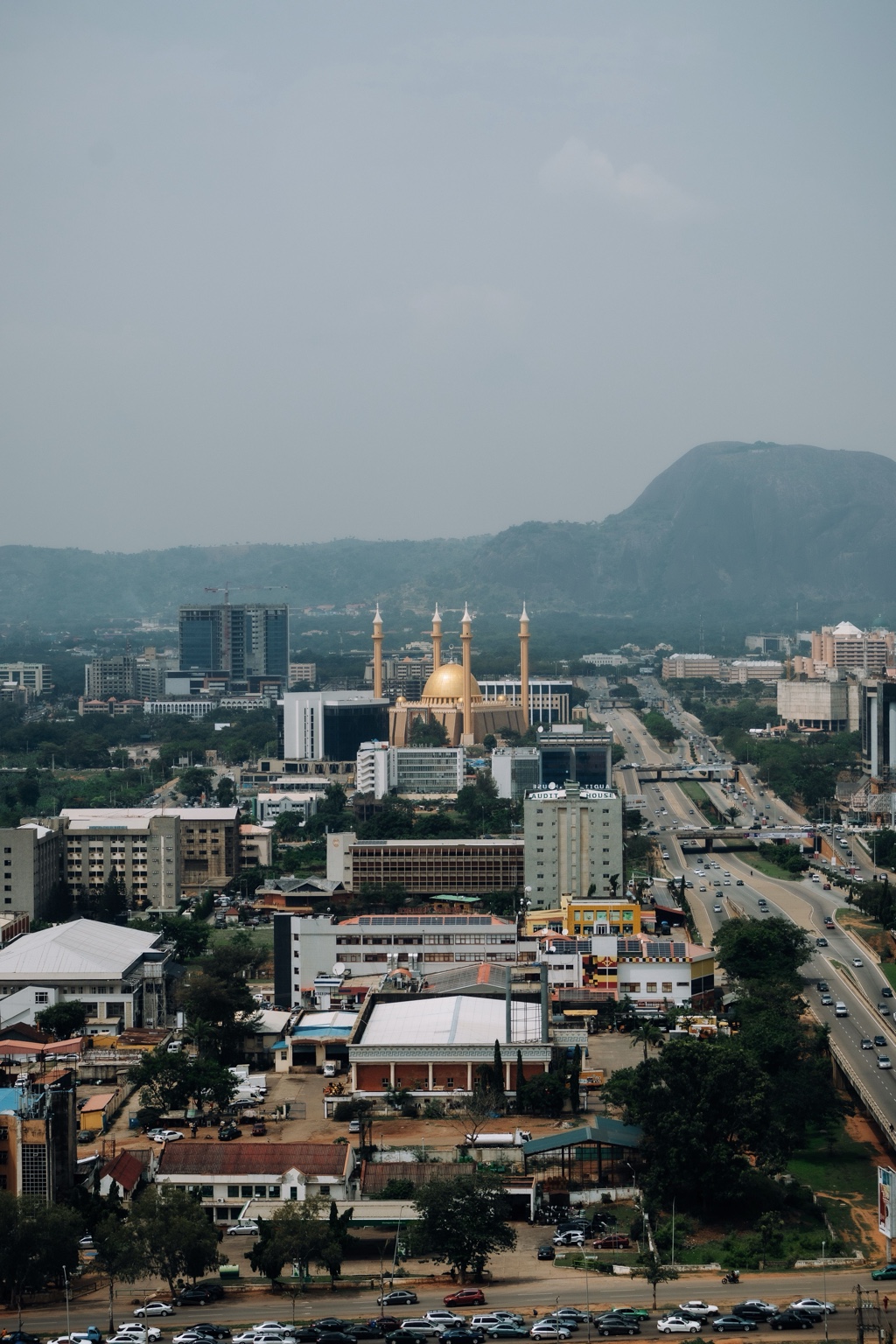
Abuja has continued to expand in different directions. New estates appear, roads open up new corridors, commercial activity follows residential growth and areas that once felt far from the city begin to look very different a few years later.
For an investor, that creates possibilities. It also creates noise.
The real question is not simply whether Abuja is a good place to invest. It is whether the particular property, location and strategy you are considering make sense for your own goals.
Why Investors Still Pay Attention to Abuja
Abuja is the nation’s capital, but its investment story is bigger than that alone. The city brings together government, corporate activity, diplomatic communities, professionals, entrepreneurs and people relocating from different parts of Nigeria.
That creates demand for different kinds of real estate. Homes to live in. Apartments to rent. Short stays for business and leisure. Land for future development. Commercial spaces. Off plan projects for buyers who are willing to wait.
That variety is one of Abuja’s strengths. There is no single way to invest here.
The Opportunity Is Not Only in Prime Areas
It is easy to look at Maitama, Asokoro or Wuse and assume that Abuja investment begins and ends with the most expensive neighbourhoods.
It does not.
Some of the most interesting conversations happen in locations that are still developing. The areas where infrastructure is improving, private development is increasing and more people are beginning to pay attention.
Of course, emerging locations also require more patience and more research. Growth can take time. Not every proposed road changes the market overnight. Not every new estate becomes a premium address.
That is why investors should look beyond the marketing language and ask what is actually happening on the ground.
What Are You Investing For?
This is the part I wish more people started with.
Do you want long term capital appreciation? Monthly rental income? A shortlet business? A property you can sell after a few years? A home you can live in while still protecting the value of your money?
Different goals can lead you to completely different parts of Abuja.
Before you invest, be clear about:
- Your timeline: Are you willing to wait for growth, or do you need returns sooner?
- Your strategy: Land, off plan, rental property, shortlet, development or resale?
- Your budget: What can you comfortably commit beyond the purchase price?
- Your risk appetite: Are you comfortable investing in an emerging location?
- Your exit plan: If your plans change, how easy might the property be to rent or resell?
Infrastructure Changes the Conversation
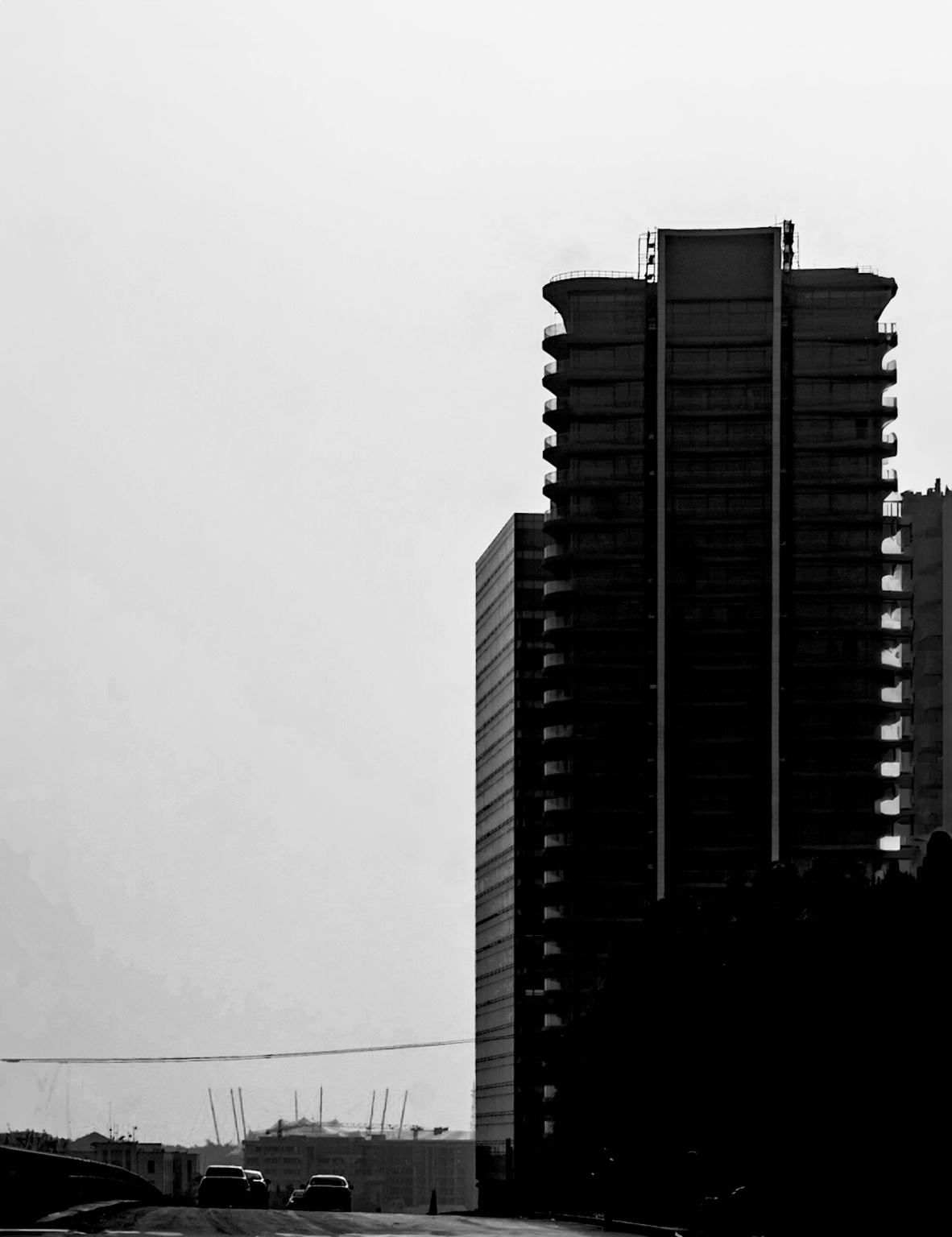
Real estate does not exist in isolation. Roads, access, drainage, power, commercial activity and surrounding development all influence how people experience a location.
This is why a plot or apartment should never be assessed only by what it looks like in a listing.
Go there. Drive the route. Look around. Pay attention to what has already been completed, not only what is being promised. Ask what the area looks like on an ordinary weekday, not just during a sales inspection.
In real estate, the surrounding environment is part of the investment.
But Is Abuja Automatically a Safe Investment?
No market gives automatic guarantees.
A beautiful building can be overpriced. A popular area can still have a poor deal. A cheap property can remain cheap for a reason. An off plan project can look attractive while the terms, developer track record or timeline require closer scrutiny.
That is why I am careful about telling people that they should invest simply because “Abuja is growing.” Growth is useful, but you still have to buy well.
Verify the documentation. Understand the payment structure. Compare similar properties. Ask about service charges and maintenance. Think about demand. And most importantly, make sure the investment matches the reason you are investing in the first place.
So, Is Abuja Still Worth Looking At?
Absolutely. I still believe Abuja deserves the attention of serious property buyers and investors.
But I would not approach the market with the mindset that every property will become a winner simply because it is in the FCT.
The better approach is more intentional.
Understand the different niches. Decide what you want your money to do. Study the location. Verify what you are buying. Then make the decision based on facts, not pressure or fear of missing out.
There are people who will do well buying land and waiting. Others will be better suited to income producing apartments. Some investors may find their opportunity in off plan projects. Others may prefer to buy, improve and resell.
Abuja can accommodate all of those strategies. The important thing is choosing the one that works for you.
That, for me, is still the most important part of the conversation.
So yes, Abuja is still a place I would watch.
Just do not invest because everyone else is talking about real estate. Invest when you understand what you are buying and why.
Held Olive Realty
We help buyers and investors think through property decisions with more clarity, from location and strategy to available opportunities and the questions worth asking before you commit.
Speak with an advisor →MARGIN
What readers are saying

This article is general market commentary, not financial or investment advice. Property prices, demand and infrastructure can vary by location and change over time. Buyers should carry out independent due diligence and obtain appropriate legal, valuation and professional advice before committing to a specific transaction.
Held Olive Realty Ltd.
Real estate, considered personally.
← Read MARGIN Issue 005Back to MARGIN →
Speak with Held Olive Realty →