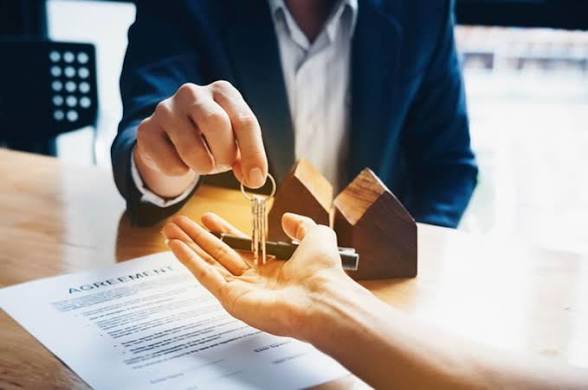
Buying property in Abuja can be exciting. You find the location, the house looks right, the price seems reasonable and suddenly you are ready to pay.
But there is a point in every property purchase where excitement needs to give way to discipline.
That point is verification.
A beautiful house does not automatically mean you are buying a clean title. A seller's confidence is not proof of ownership. And a document shown to you on WhatsApp is not the same thing as independently confirming what that document represents.
If you are buying a house, land or an apartment in Abuja, the paperwork deserves the same attention you give the property itself.

Why Property Verification Is Non-Negotiable
Property transactions involve significant sums of money, and the consequences of getting the title wrong can be far greater than losing a good deal.
Verification helps you understand who has the right to sell, what interest is being transferred, whether the property corresponds with the records, and whether there are issues that could affect your ownership or use of the property.
For Abuja property buyers, the Abuja Geographic Information Systems (AGIS) is particularly important. AGIS states that it provides property search and verification of land records and is the official source of geospatial data for the FCT. citeturn0search0turn0search6
That does not mean every buyer should simply look at a C of O and stop there. The relevant records, survey information, transaction documents and circumstances surrounding the property still need to be examined.
What Documents Should You Ask For?
The exact documents required can vary depending on the property and the nature of the transaction. Your lawyer or qualified property professional should determine what applies to the specific property.
Depending on the transaction, you may encounter documents such as:
- Certificate of Occupancy (C of O) or another evidence of title.
- Right of Occupancy (R of O), where applicable.
- Deed of Assignment or other instrument evidencing a transfer.
- Survey Plan or Title Deed Plan, as applicable.
- Governor's Consent, where required for the transaction.
- Building or planning approvals, where relevant.
- Ground rent and other relevant payment evidence, where applicable.
- Power of Attorney, if someone is acting for the owner.
- Identification and corporate documents where the seller is an individual, company or representative.
The important thing is not to collect documents for the sake of collecting documents. You need to establish what each document proves and whether it matches the property and the person selling it.
How to Verify Property in Abuja
1. Establish exactly what you are buying
Before verification begins, identify the property's exact location, plot details, title particulars and the interest being offered to you. Do not rely only on a marketing name or an informal description of the location.
2. Compare the seller's documents with the property
Look at the names, plot information, survey details and other identifiers across the documents. Inconsistencies should not be brushed aside because the property looks genuine.
3. Conduct the appropriate land or legal search
AGIS provides property search and land-record verification services. Its published legal-search procedure includes submission of an application, presentation of the original title document for sighting and submission at the legal search desk. citeturn0search2
This is one reason I strongly prefer buyers to treat verification as an independent process rather than simply accepting a seller's explanation of their documents.
4. Verify the survey and physical location
The documents should correspond with the property you are actually buying. A survey professional can help interpret the survey information and confirm the relevant parcel details.
5. Check for restrictions, competing claims and other issues
A property may have an issue that is not obvious from a viewing. Your legal and property professionals should investigate matters that could affect the transaction, including competing claims, registration issues, restrictions or other encumbrances relevant to the title.
6. Use an independent property lawyer
For a significant purchase, having a lawyer review the transaction is not an unnecessary extra. It is part of protecting yourself.
Your lawyer can review the title and transaction documents, identify legal issues, advise on the appropriate instrument of transfer and help you understand the risks before you sign or pay.
Red Flags I Would Never Ignore
There are moments when walking away is wiser than trying to rescue a questionable transaction.
- The seller refuses to allow proper independent verification.
- Names or plot details do not match across documents.
- You are pressured to make a large payment immediately because “someone else is ready to buy.”
- The seller cannot clearly explain their authority to sell.
- There are unexplained gaps in the title history.
- The transaction is being pushed through a representative whose authority is unclear.
- Documents are altered, inconsistent or difficult to authenticate.
- The price is dramatically below comparable properties without a convincing explanation.
- You are told that verification is unnecessary because “the developer is reputable.”
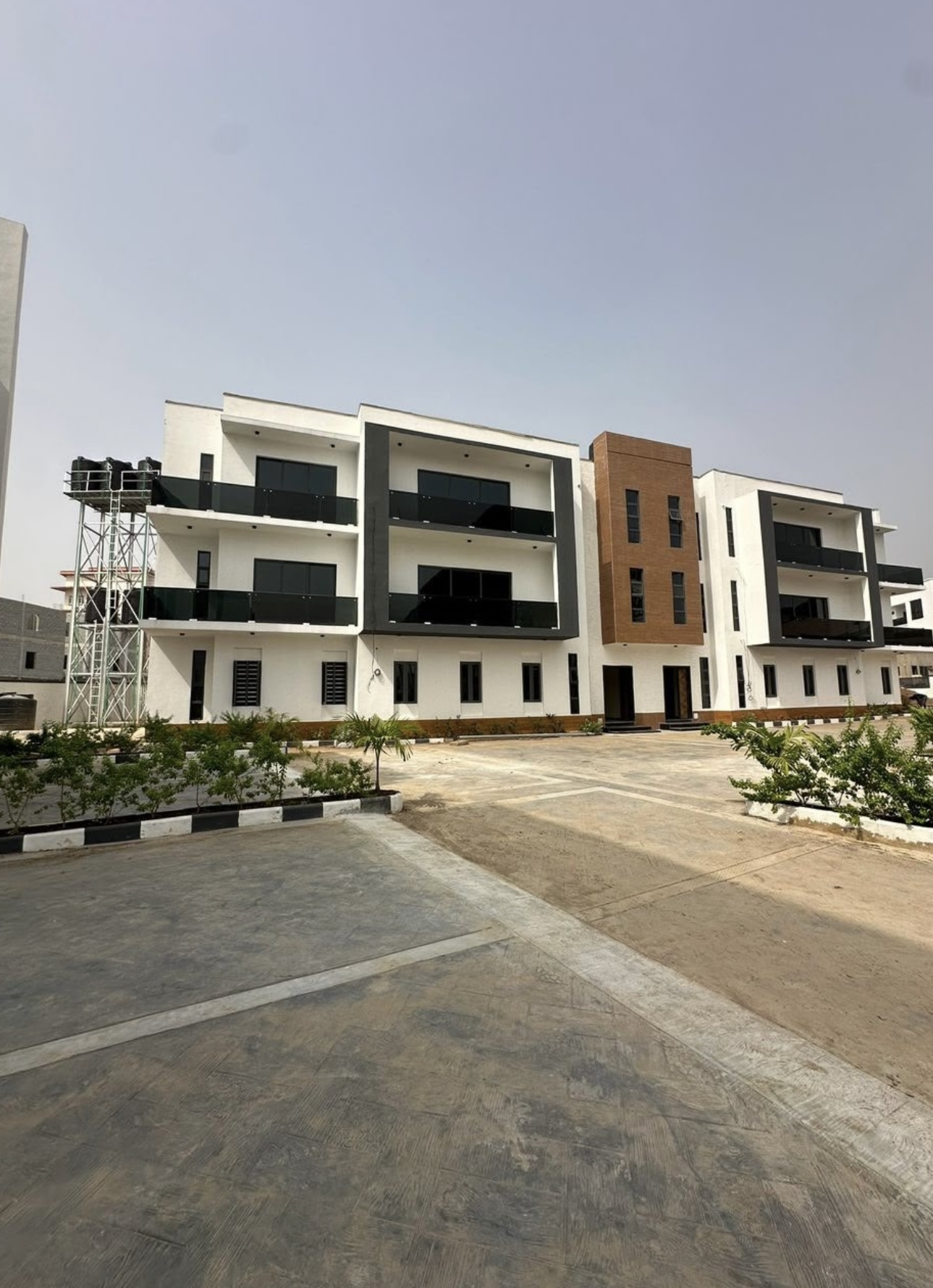
The Buyer’s Abuja Property Verification Checklist
Before you pay, ask yourself:
- Have I confirmed exactly what property I am buying?
- Have I seen and reviewed the relevant title documents?
- Have the title details been independently checked?
- Have I verified the survey and property particulars?
- Have I confirmed that the seller has authority to sell?
- Have I investigated potential claims, restrictions or other title issues?
- Has an independent lawyer reviewed the transaction?
- Do the payment terms and agreement clearly state what I am purchasing?
- Have I received written evidence of important representations made to me?
- Am I making this decision because the investment makes sense, rather than because I am afraid of missing out?
One More Thing: Do Not Let Urgency Make Your Decision
One of the easiest ways for a buyer to make a poor property decision is to become emotionally attached before the verification is complete.
You see the house. You imagine your family there. You picture the furniture. You start calculating how quickly you can raise the money.
And then someone tells you, “If you don't pay today, it will be gone.”
That is exactly when you should slow down.
Good property opportunities deserve proper due diligence. If a transaction cannot accommodate reasonable verification, that itself tells you something.
The Bigger Picture
Buying property is not simply about finding a beautiful building in a good neighbourhood.
It is about understanding the asset, the title, the transaction, the risks and the value you are actually acquiring.
In Abuja, where property values and development continue to attract homeowners and investors, buyers have every reason to become more informed and more deliberate.
My role as a real estate professional is not simply to show you properties. I believe the better role is to help you ask the questions that matter before you commit your money.
If you are considering buying property in Abuja and want help identifying suitable opportunities, understanding the transaction or navigating the buying process, Held Olive Realty can help you approach the search with greater clarity.
MARGIN
What readers are saying

AGIS references used for the verification guidance in this article: AGIS Services, AGIS Legal Search and FCTA overview of AGIS. This journal is educational and does not replace independent legal, survey or financial advice. Requirements can vary by transaction and property, so buyers should obtain professional advice for their specific purchase.
Held Olive Realty Ltd.
Real estate, considered personally.
← Read MARGIN Issue 004Back to MARGIN →
Speak with Held Olive Realty →