
If you have been searching for “How do I buy a house in Abuja?”, you are probably already thinking beyond simply looking at beautiful properties. You want to know how to make the right decision, how to avoid expensive mistakes and how to know that the property you are buying is actually worth your money.
Abuja has a wide range of residential property, from apartments and terraces to semi-detached and detached homes. Prices, infrastructure, documentation and investment potential can vary significantly from one district to another.
So the process should not start with “Show me the cheapest house.”
It should start with a much better question:
1. Decide why you are buying
Before you start viewing houses in Abuja, define the purpose of the purchase.
Are you buying a family home, an investment property, a rental property, a second home, or a property you intend to resell later?
Your purpose affects almost every other decision, including location, property type, budget and the features you should prioritise.
A family may care most about schools, accessibility, security and the character of the neighbourhood. An investor may care more about rental demand, infrastructure, capital appreciation and resale liquidity.
The most expensive property is not automatically the best property. The right property is the one that makes sense for your objective.
2. Establish your total budget
Do not look at only the advertised purchase price.
Depending on the transaction, you may also need to account for legal and professional fees, searches, documentation, registration and other transaction-related expenses.
If you are financing the purchase, understand the repayment obligation before you commit yourself.
Your real question should therefore be: “What is my total acquisition budget?” rather than simply “How much is the house?”
3. Choose the right area of Abuja
Location is one of the biggest decisions you will make.
Maitama is not Jahi. Jahi is not Katampe. Katampe is not Life Camp. The fact that one district is more expensive does not automatically make it the right choice for every buyer.
Consider your daily commute, road accessibility, infrastructure, security, schools and healthcare, shopping and lifestyle facilities, rental demand, development activity and potential resale value.
Most importantly, think about the exact part of the district. Two properties carrying the same area name can offer very different experiences.
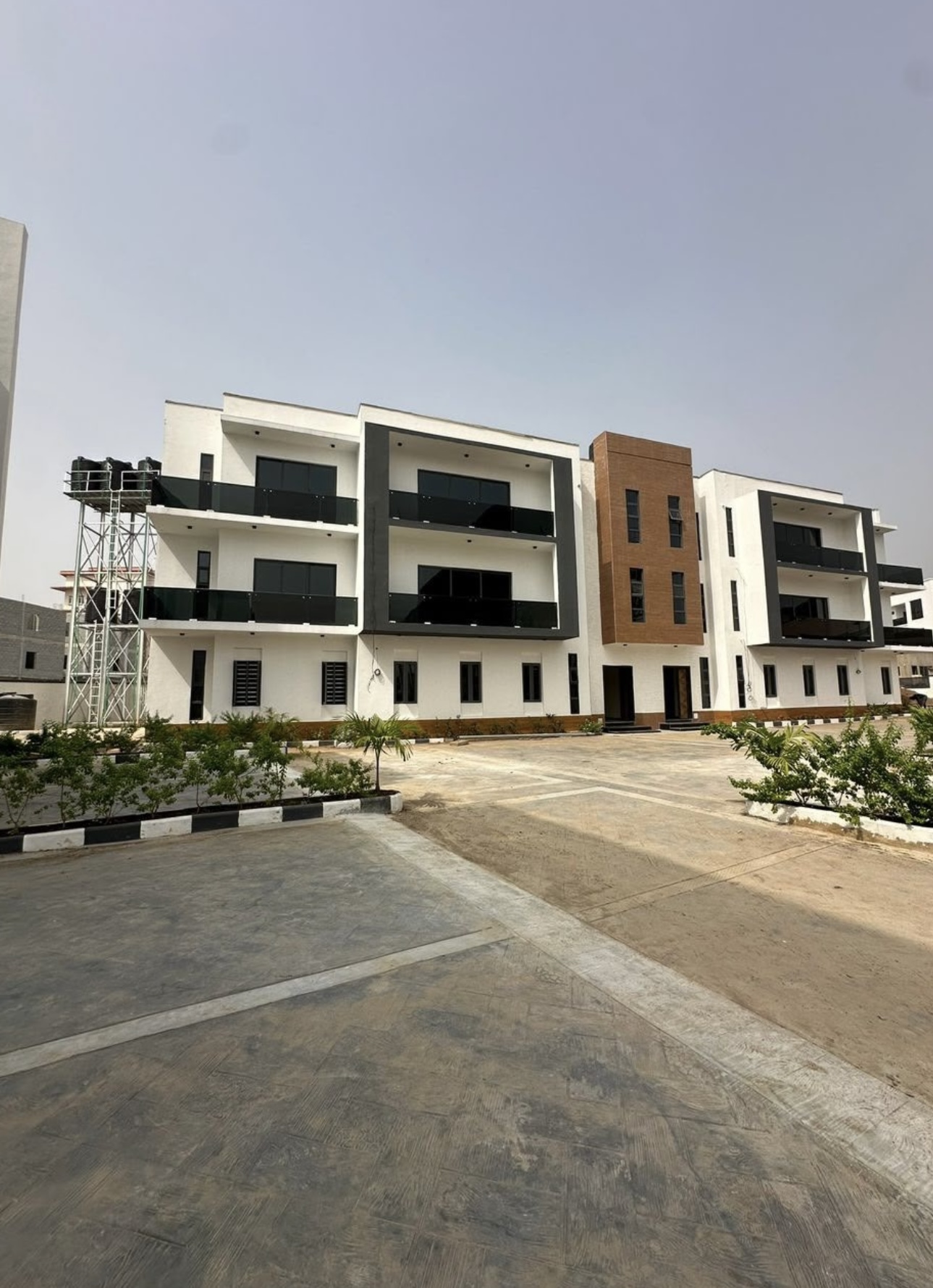
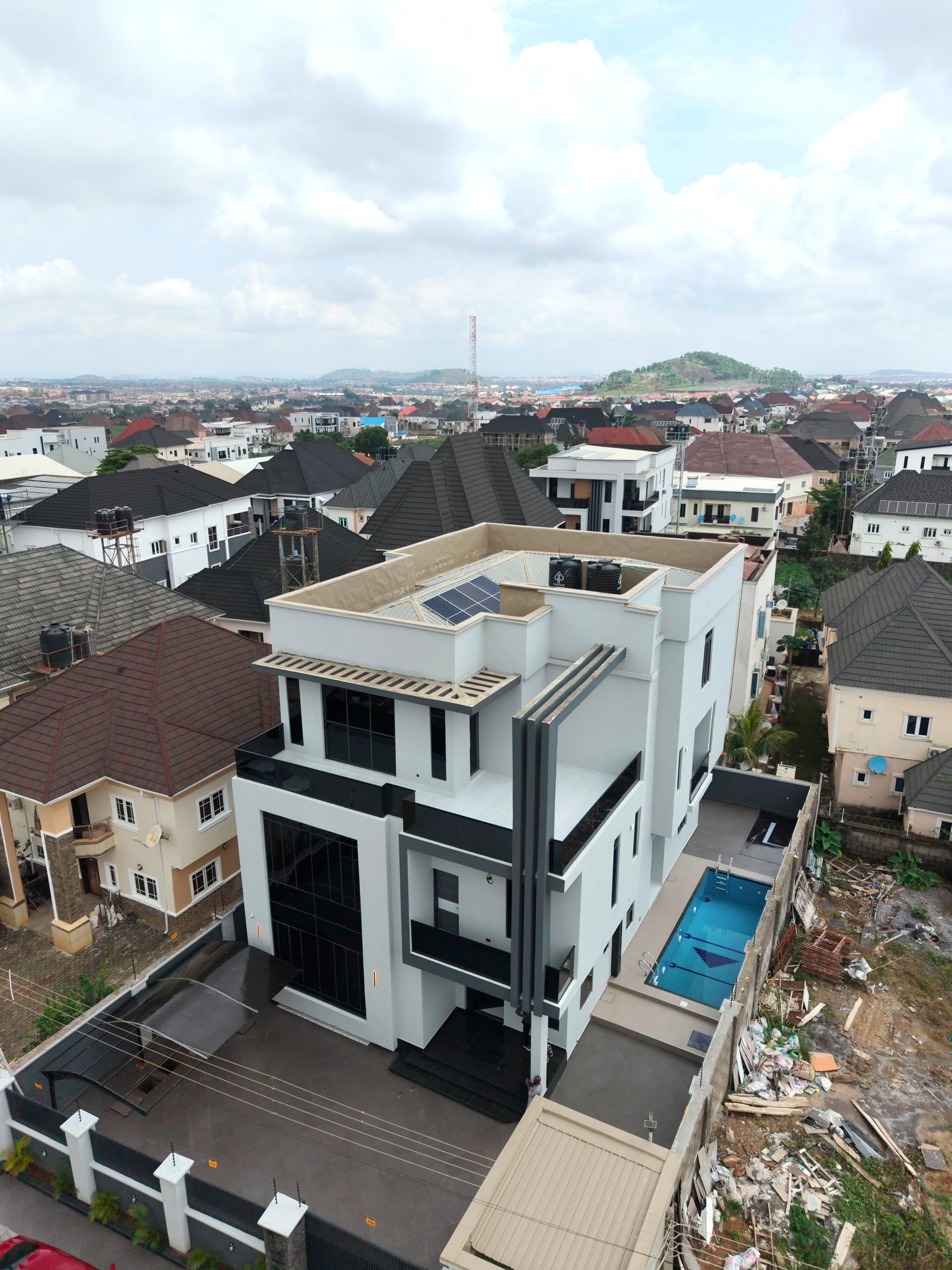
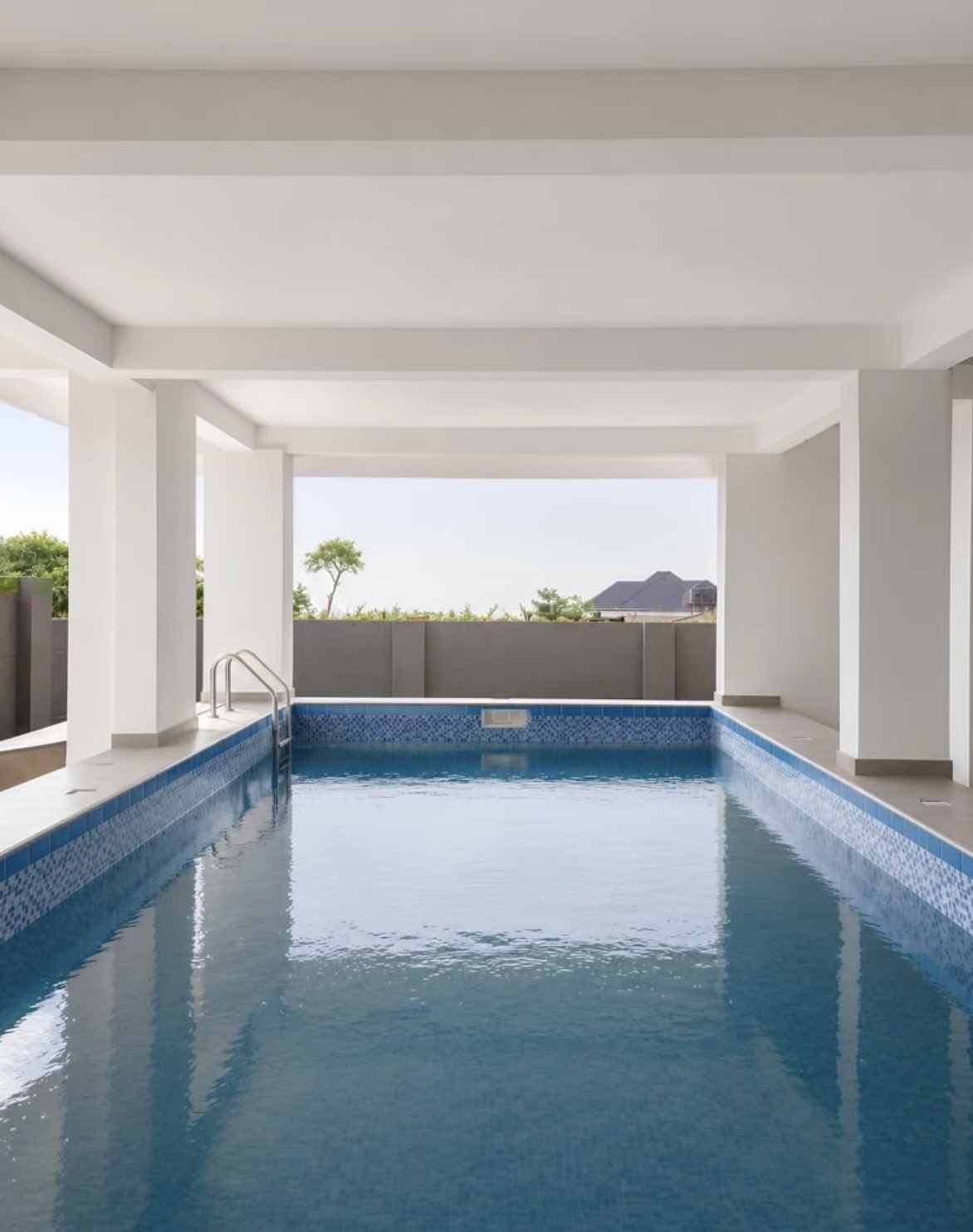
4. Shortlist properties before you fall in love with one
Once you know your purpose, budget and preferred areas, shortlist properties that genuinely fit those criteria.
Try not to make the first house you see the benchmark for every other property. View enough options to understand what your budget can realistically buy in the locations you are considering.
Compare the land size, building size, layout, condition, finishes, access, infrastructure, documentation, service charges where applicable and the surrounding development.
A property should be evaluated as a complete product, not just by its photographs.
5. Inspect the property physically
Never buy a house based solely on photographs or a video tour.
Visit the property physically and look beyond the finishes.
Check access roads, drainage, water supply, electricity, parking, security arrangements, the condition of the building and what is happening around the property.
If the property is under construction, understand the development stage, expected completion timeline, specifications and exactly what is included in the purchase.
6. Verify the title and ownership before you pay
This is one of the most important parts of buying property in Abuja.
Do not rely solely on documents handed to you by a seller or agent.
The Abuja Geographic Information Systems (AGIS) provides property search and verification of land records and handles important land administration and title services in the FCT. AGIS also publishes a legal search process for applicants seeking to verify property records.
According to AGIS, a legal search involves submitting the appropriate application and payment, followed by presentation of the original title document for sighting and submission at the legal search desk. The official process and requirements should be checked directly with AGIS because procedures and fees can change.
View the current AGIS legal search process →
7. Understand the documents
The documents required depend on the property and transaction.
Depending on the circumstances, you may encounter documents relating to a Right of Occupancy, Certificate of Occupancy, Deed of Assignment, Deed of Sublease, Power of Attorney, survey documents and other title or development documentation.
AGIS publishes requirements for title registration and related processes. A document should not simply be accepted because it has an official-looking name or stamp. It should be examined in relation to the property and the relevant records.
View AGIS title registration requirements →
Property documentation can be legally and technically complex. For a specific transaction, use an appropriately qualified property lawyer and other relevant professionals to conduct independent due diligence.
8. Confirm who has the right to sell
Ask a simple question:
Who is legally authorised to sell this property?
If you are dealing with an individual, company, developer, family representative, attorney or another representative, the authority behind the transaction should be properly established.
Do not allow urgency to replace verification.
“Someone else is coming to pay today” should never be a substitute for proper due diligence.
9. Check the physical property against the documents
The property being shown to you should correspond with the information contained in its documentation.
This is where professional survey, legal and property checks can become particularly important. You want to understand that the property being sold is the property described in the documentation and identify discrepancies before money changes hands.
10. Negotiate based on evidence
There is nothing wrong with negotiating a property price. In fact, buyers should understand comparable properties before agreeing to a number.
Consider the location, land size, building size, age, condition, finishes, infrastructure, title, amenities, accessibility and development potential.
11. Use the right professionals
Buying a house is one of the largest financial decisions many people will make.
Depending on the transaction, your team may include a trusted real estate adviser, property lawyer, surveyor, valuer, lender or other relevant professionals.
The goal is not simply to get the transaction completed. It is to understand what you are buying before you commit your money.

So, how do I buy a house in Abuja?
- Define your purpose. Know whether you are buying for personal use, investment or rental income.
- Establish your complete budget. Do not budget only for the advertised purchase price.
- Choose the right location. Match the area to your lifestyle, objectives and investment strategy.
- Shortlist suitable properties. Compare options instead of rushing into the first one you see.
- Inspect the property physically. Look at the building, access, infrastructure and surroundings.
- Verify ownership and title. Carry out the relevant searches and due diligence.
- Review the transaction documents. Have the appropriate professionals examine them.
- Confirm the seller's authority. Make sure the person or entity selling has the right to do so.
- Negotiate based on evidence. Compare the property with the market and its fundamentals.
- Complete the transaction properly. Do not rush the final stage simply because you have found a property you love.
The Abuja property market rewards informed buyers
There is a difference between finding a house and buying the right property.
The first can happen quickly.
The second requires research.
At Held Olive Realty Ltd., our approach is built around helping buyers understand the property, the location and the opportunity before making a decision.
Because real estate is not simply about buying a building.
It is about knowing what you are buying, why you are buying it and whether it makes sense for the life or investment you are building.
Frequently Asked Questions About Buying a House in Abuja
How do I buy a house in Abuja?
Start by defining your purpose and budget, choose suitable locations, shortlist and inspect properties, verify title and ownership, review the transaction documents with the appropriate professionals, negotiate based on evidence and complete the transaction properly.
What documents should I verify before buying a house in Abuja?
The documents depend on the property and transaction. They may include a Right of Occupancy, Certificate of Occupancy, Deed of Assignment, Deed of Sublease, Power of Attorney, survey documents and development-related approvals.
Can I buy a house in Abuja without checking the title?
A buyer should not rely only on documents supplied by a seller. Proper title and ownership due diligence should be carried out before committing funds.
How much money do I need to buy a house in Abuja in 2026?
There is no single Abuja house price. Your required budget depends on the district, property type, land size, specification, title, infrastructure and development stage. Establish a total acquisition budget rather than looking only at the advertised price.
MARGIN
What readers are saying

For official land and title procedures, refer directly to Abuja Geographic Information Systems (AGIS). This article is for general informational purposes and does not replace independent legal, survey, valuation or other professional advice specific to a property transaction.
Held Olive Realty Ltd.
Real estate, considered personally.
← Read MARGIN Issue 002Read MARGIN Issue 001 →
Speak with Held Olive Realty →