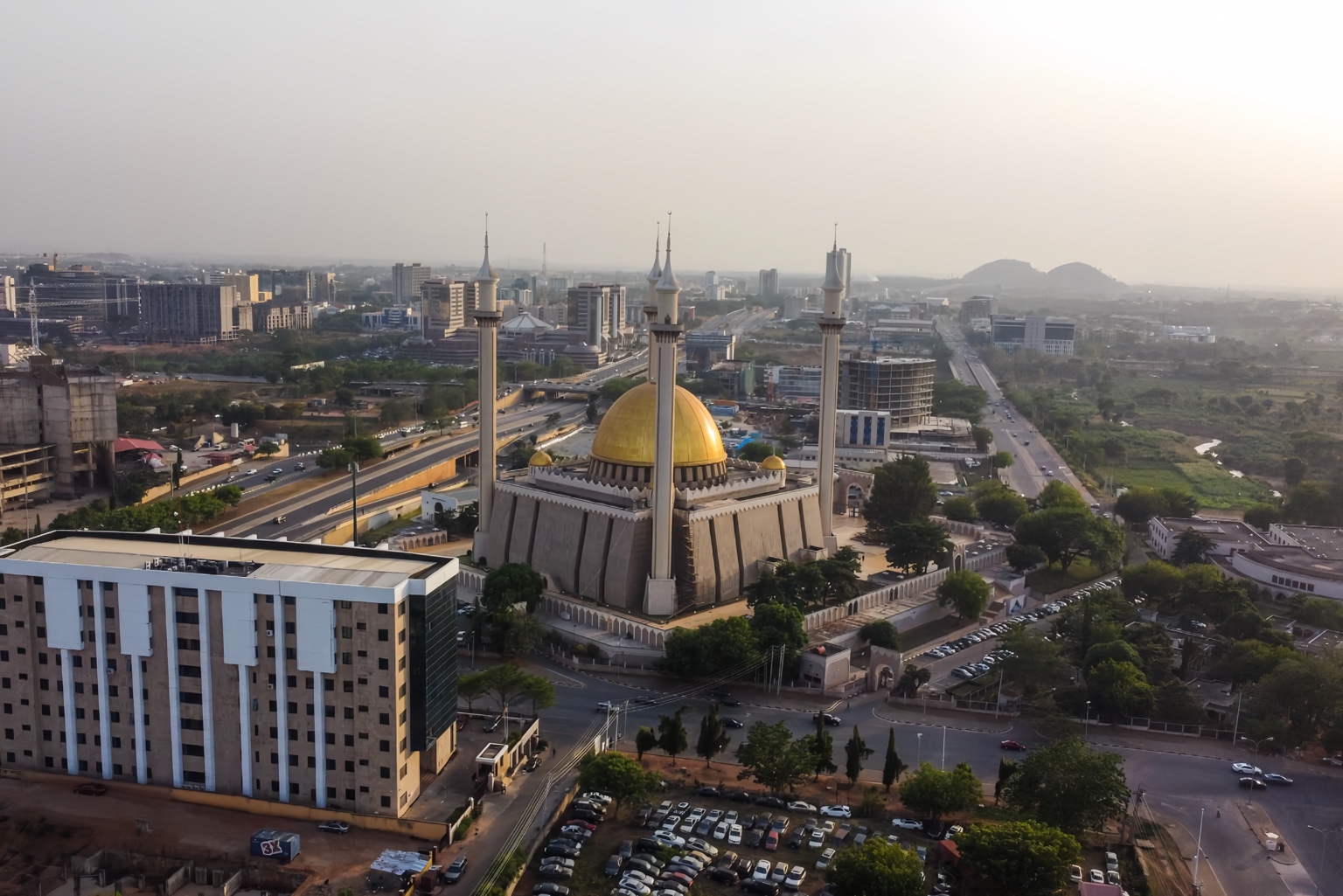
If you have been searching for property in Abuja, you have probably noticed something very quickly:
There is no simple answer to “How much does a house cost in Abuja?”
You can see one property around the same general area for a little over ₦100 million and another for several hundred million. You can also find luxury homes that run into the billions.
That does not necessarily mean the market is confusing. It means Abuja has a very wide property market.
The better question is: what can your budget realistically buy you, and where?
First, forget the idea of one “Abuja price”
Property prices in Abuja are affected by several things at once. The district matters. The size and type of the property matter. The quality of the development matters. Documentation matters. Roads and infrastructure matter. Even the exact street can make a difference.
So when someone says, “I have ₦200 million, can I buy a house in Abuja?”, my answer would be: yes, but we need to define what you mean by a house.
At that level, you could be looking at a good apartment, a terrace in some districts, or a property in an area where the same budget gets you something very different from what it would get you in Maitama or Asokoro.
What the market looks like right now
Recent 2026 listing data gives us a useful sense of the spread. Nigeria Property Centre's June 2026 data put the median listing price for flats across Abuja at about ₦156.1 million. In Life Camp specifically, the median listing price for flats was about ₦106.4 million in June 2026.
For houses, the numbers move much higher. Life Camp's July 2026 median listing price for houses was about ₦238.6 million, while Guzape District's median listing price was about ₦514 million. Maitama District was in another category altogether, with a June 2026 median listing price for houses of about ₦1.39 billion.
These figures are listing medians, not guaranteed transaction prices. They are useful for understanding the market, but the actual price of a particular property still depends on the property itself.
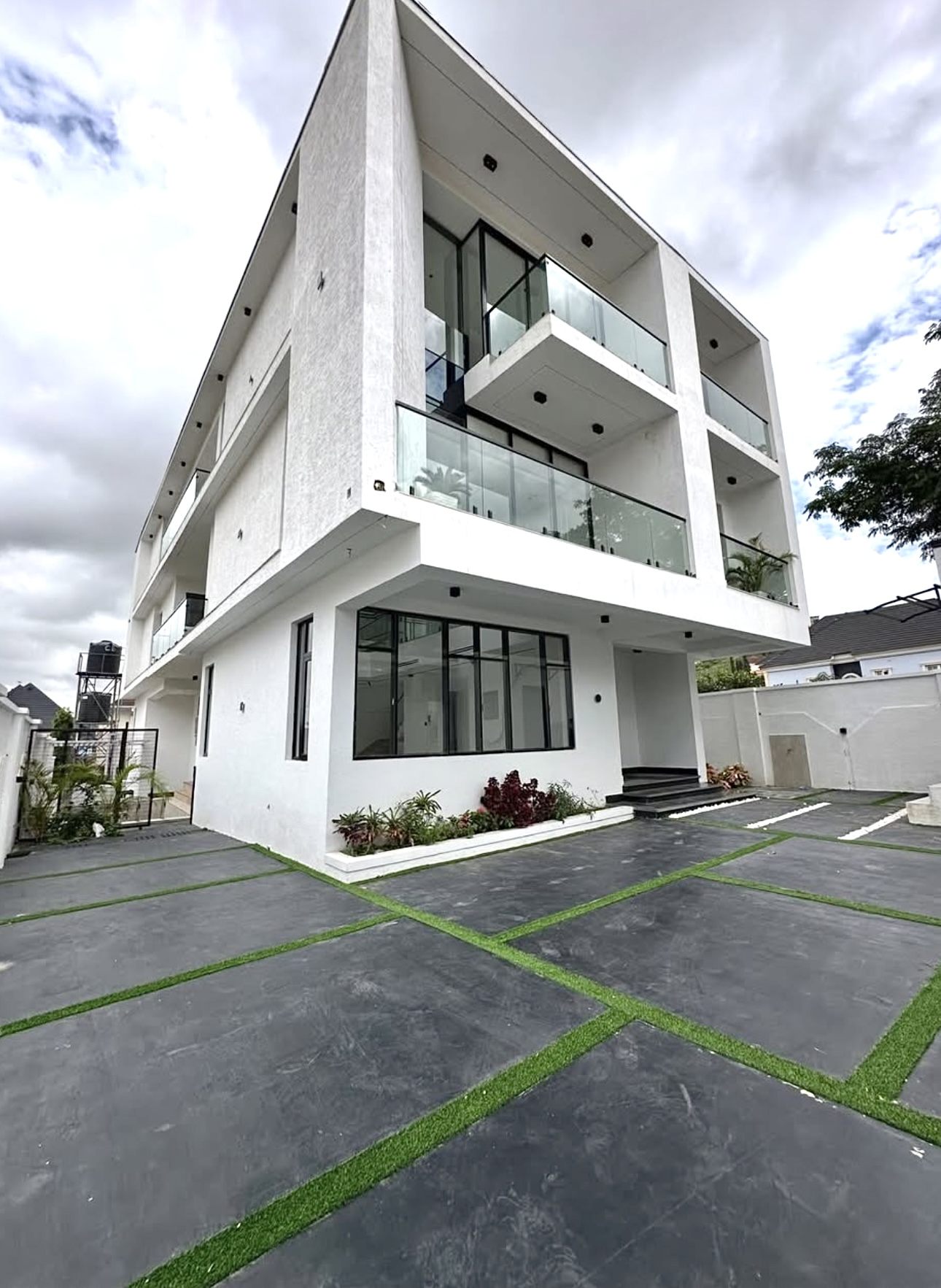
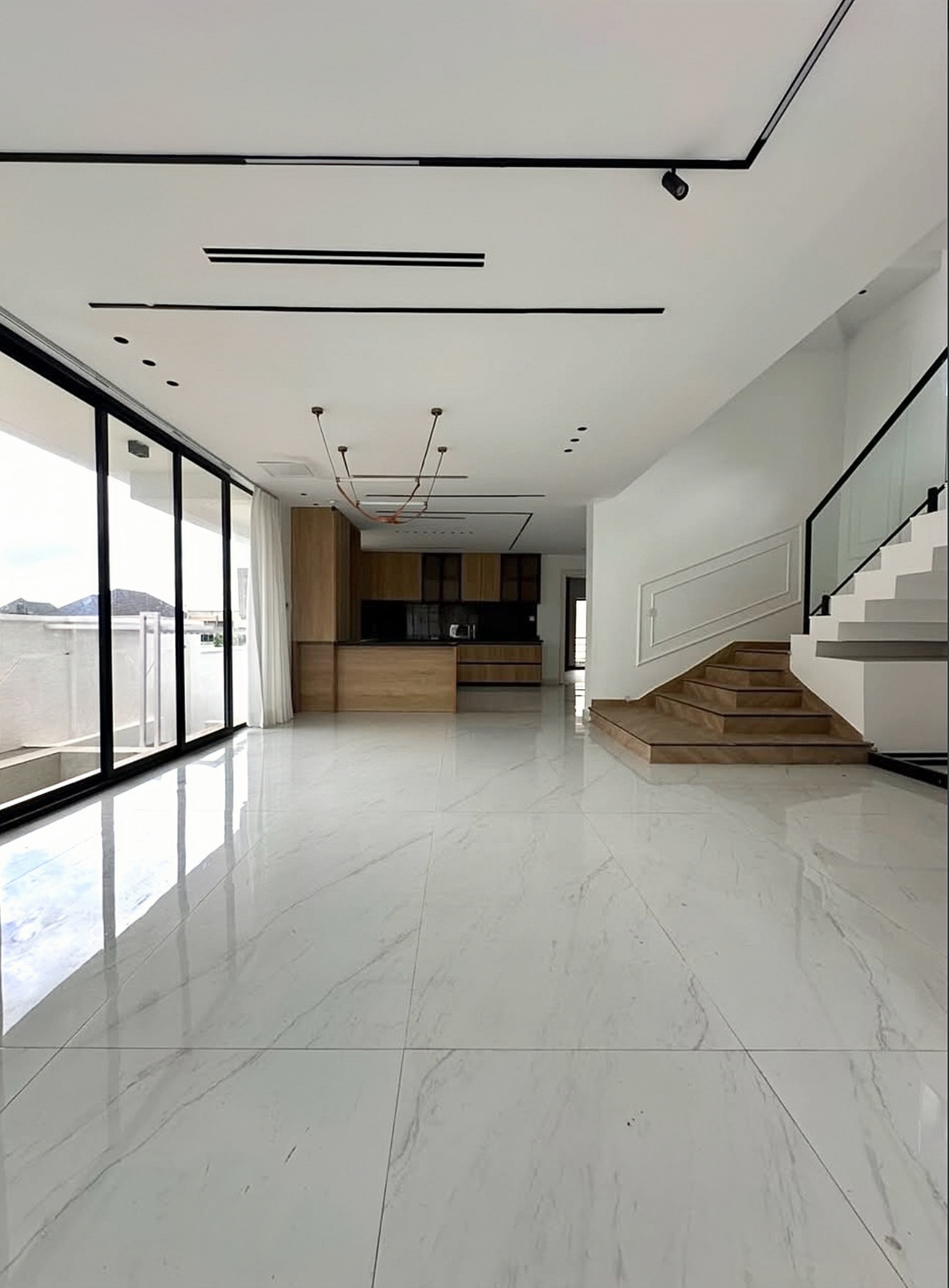
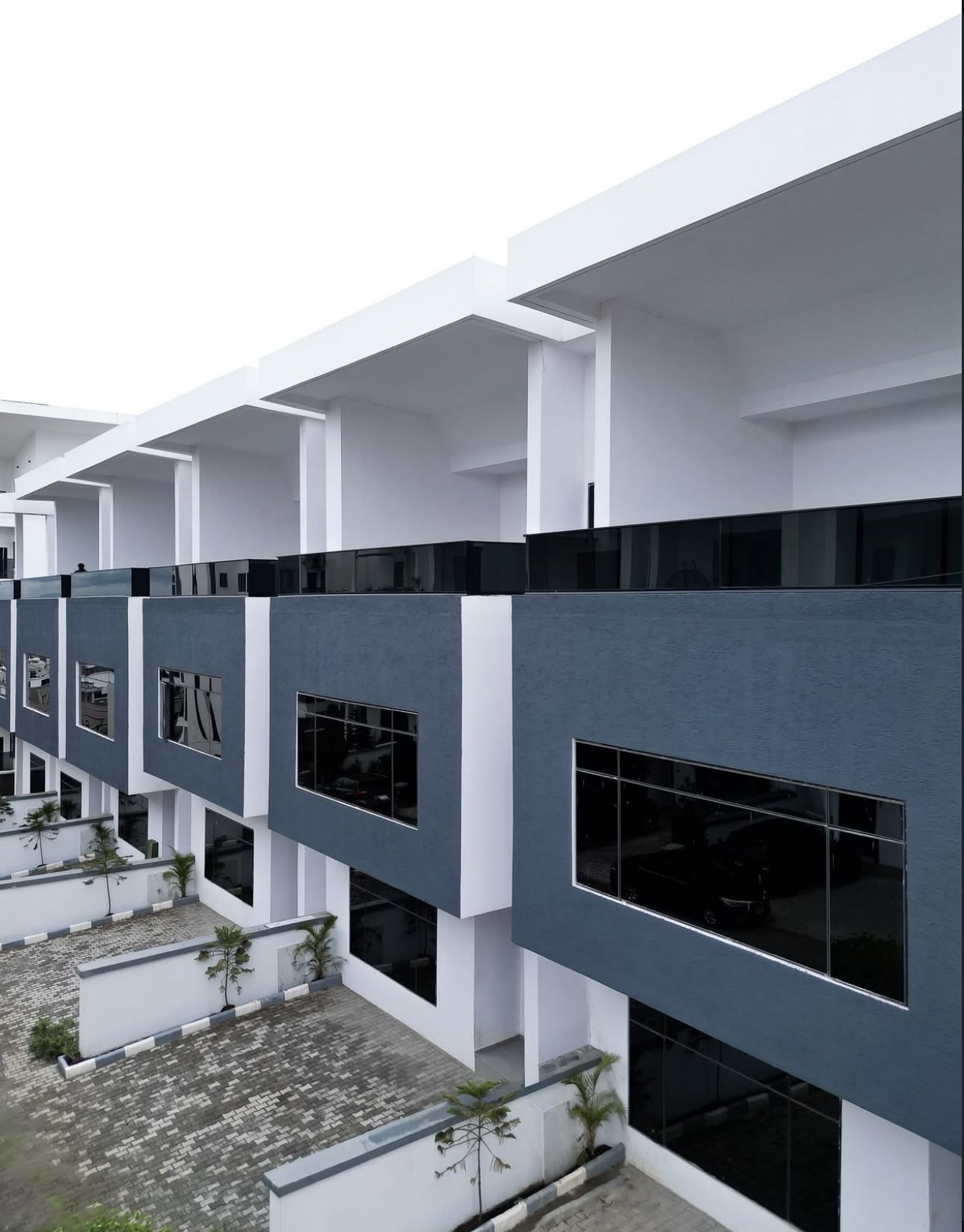
If your budget is around ₦100 million
This is where I would tell you to be very specific about what you want.
At around ₦100 million, apartments become an important part of the conversation, particularly in newer or developing districts. Depending on the location, size, title and finish, you may find two or three-bedroom apartments around this level.
Life Camp is a good example of how much variation exists. The June 2026 median listing price for flats there was ₦106.4 million, but individual listings ranged dramatically.
So if your budget is ₦100 million, I would not start by asking, “Which luxury district can I enter?” I would start by asking, “Which type of property gives me the best combination of location, quality and long-term value?”
What ₦150 million to ₦250 million can look like
This is a much more flexible range.
You may be considering larger apartments, premium apartments in stronger locations, terraces or smaller detached homes depending on the district and development.
This is also where comparing properties properly becomes important. A ₦180 million apartment and a ₦220 million terrace are not automatically better or worse than each other. They are different products serving different buyers.
If you are buying for yourself, think about how you will actually live in the property. If you are buying as an investment, think about who is likely to rent or buy it from you later.
What about ₦250 million to ₦500 million?
This is where the market begins to open up considerably.
Depending on the location, you can start looking seriously at larger terraces, semi-detached homes, high-end apartments and some detached properties.
Guzape is a good example of the difference a district can make. The July 2026 median listing price for houses there was about ₦514 million, although individual properties can sit far below or above a district-wide median.
At this budget, I would pay particular attention to the quality of the development, the road access, estate management, documentation and what is happening around the property.
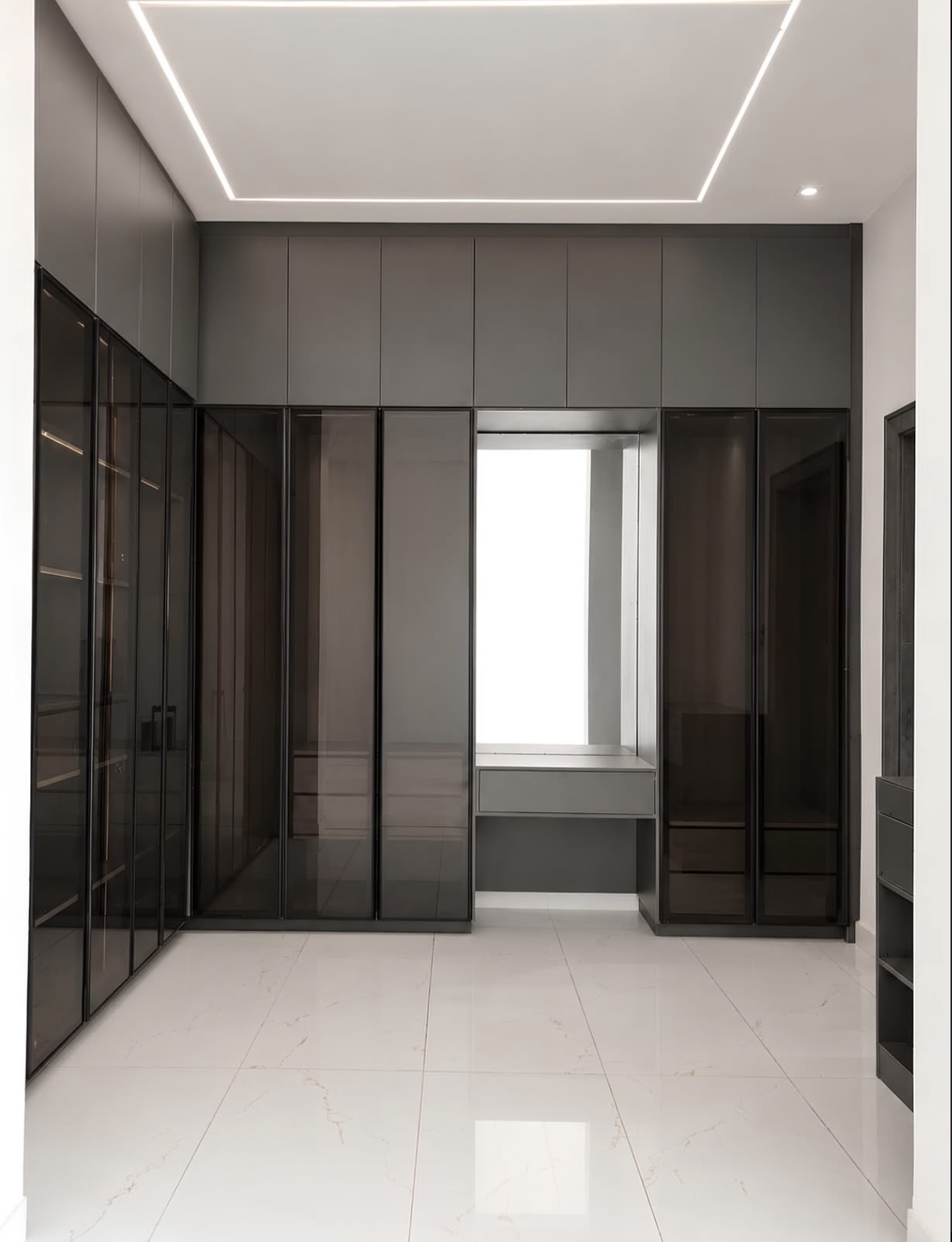
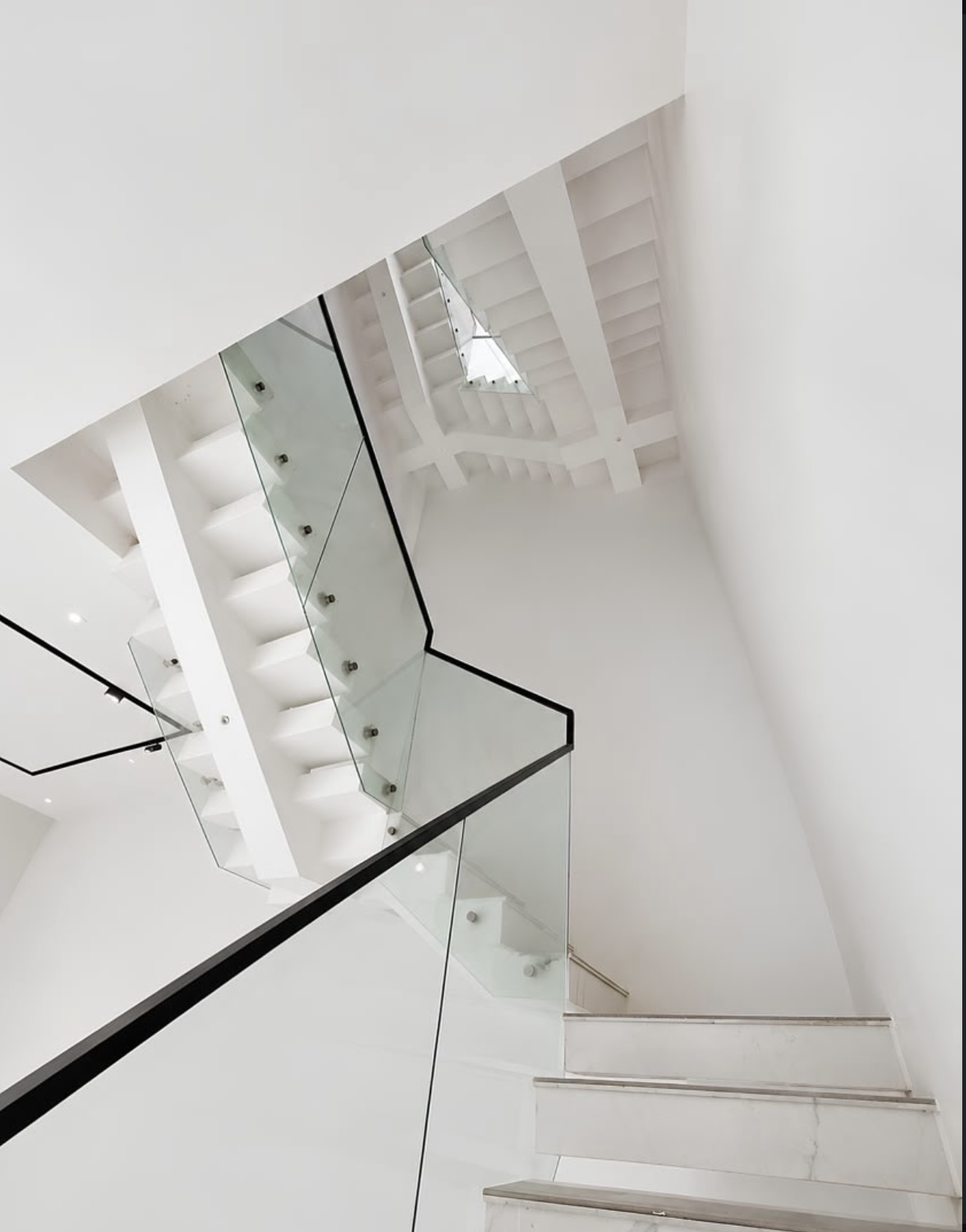
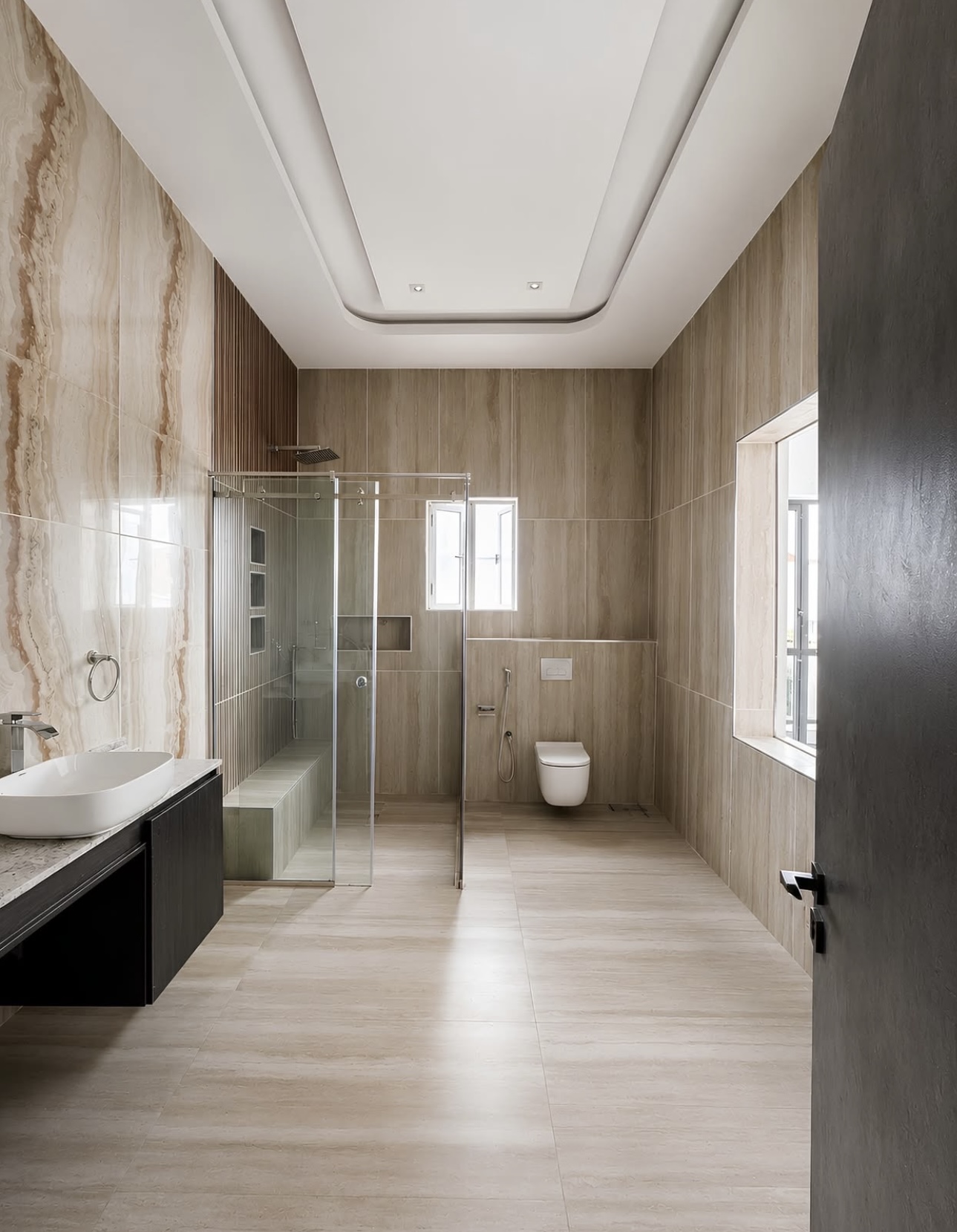
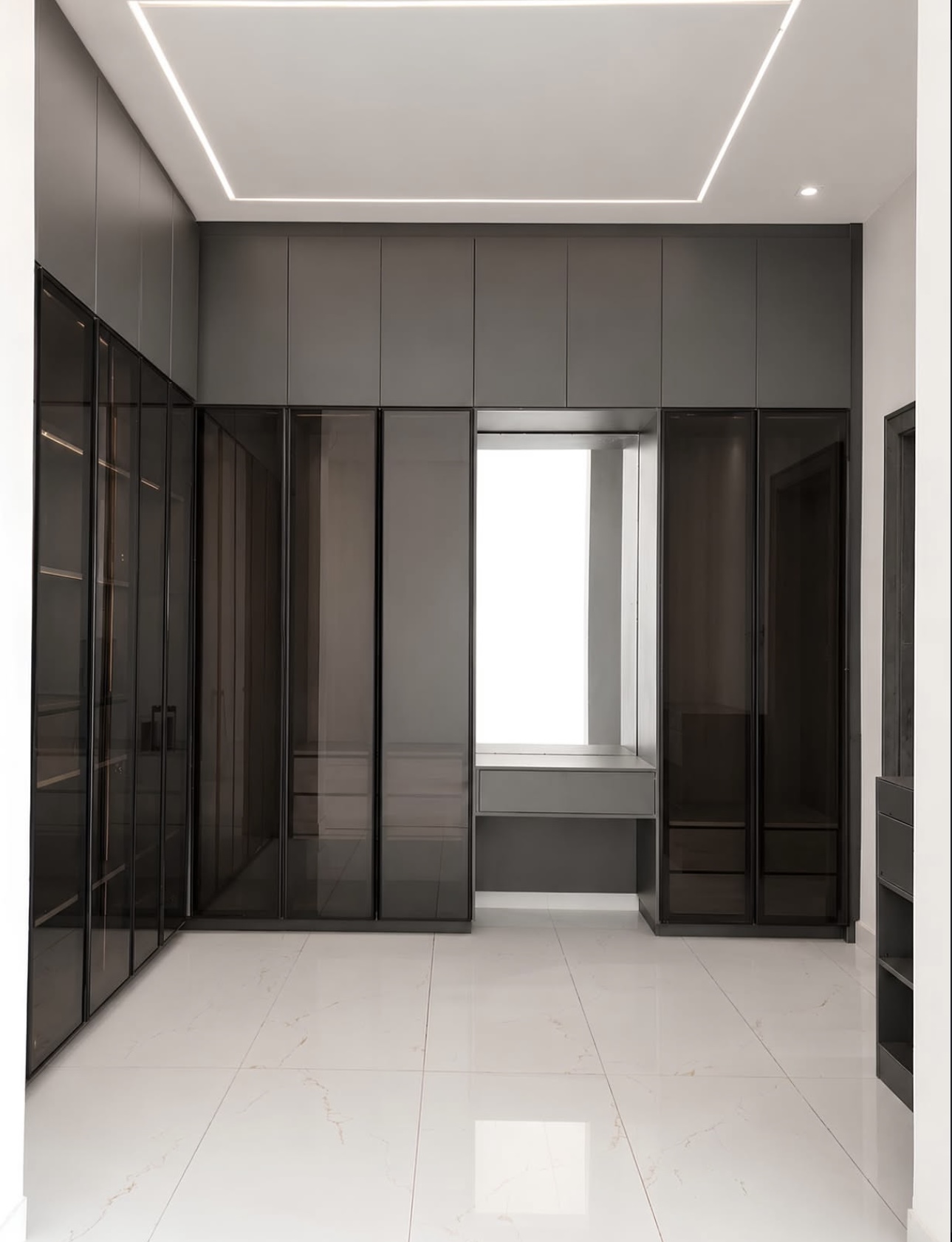
And then there is the ₦500 million plus market
Once you move beyond ₦500 million, you are entering a part of the Abuja market where location, land size, architecture, privacy and specification can become major price drivers.
In Maitama, for example, Nigeria Property Centre recorded a June 2026 median listing price of about ₦1.39 billion for houses. That does not mean every house in Maitama costs ₦1.39 billion. It simply shows how far the market can move in one of Abuja's prime districts.
At this level, the question becomes less about “Can I afford a house?” and more about which property deserves the money?
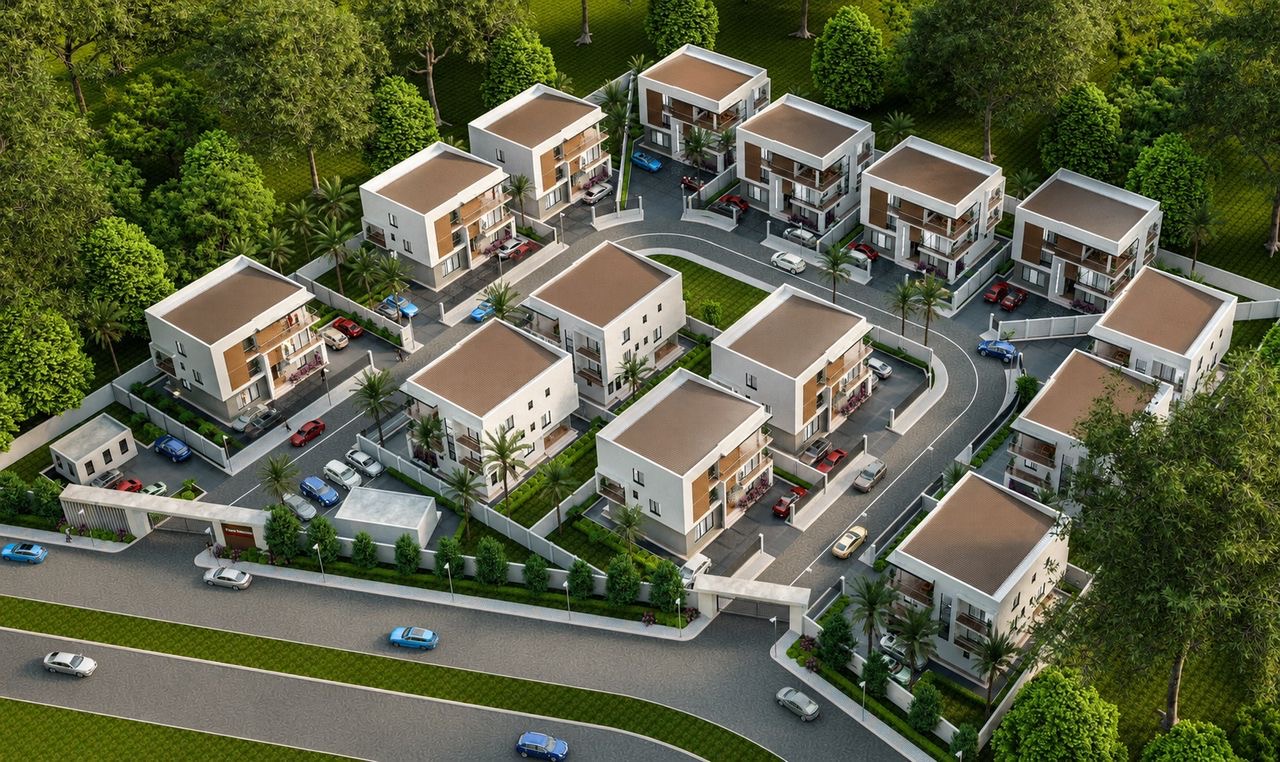
What about off-plan property?
Off-plan is another reason Abuja property prices cannot be reduced to a simple table.
You may see a development priced lower at an earlier stage and the same development become more expensive as construction progresses. The payment structure can also make a significant difference.
But this is where buyers need to be careful. A lower entry price is not enough on its own. You need to understand the developer, the title and approvals, the payment plan, the construction timeline, the specifications and exactly what you are buying.
The mistake I would avoid
One of the biggest mistakes I see is choosing a budget first and then trying to force a property into it.
Instead, I would work backwards.
What are you buying for?
Where do you need to be?
What type of property actually suits your lifestyle or investment strategy?
Then we can look at what that product costs in the parts of Abuja that make sense.
So, how much should you budget?
If you are simply looking for a starting point, I would think about Abuja in broad categories rather than one fixed price:
Around ₦100 million: start with apartments and selected developing locations.
₦150 million to ₦250 million: a wider range of apartments, terraces and some smaller houses becomes possible depending on location.
₦250 million to ₦500 million: you can seriously explore premium apartments, terraces, semi-detached homes and selected detached properties.
₦500 million and above: the conversation moves increasingly into prime districts, larger homes and higher-end developments.
These are not rules. Abuja is too varied for that. They are simply useful starting points for a conversation.
The house you can afford is not necessarily the house you should buy
When someone tells me their budget, I do not want to show them the most expensive thing I can find within it.
I want to understand what they are trying to accomplish.
Maybe they want a home their children can grow up in.
Maybe they want something they can rent out.
Maybe they are relocating to Abuja and simply want to make a sensible first purchase.
Maybe they are buying land and planning to build later.
All of those decisions can lead to completely different properties.
So if you are asking, “How much does a house cost in Abuja in 2026?”, the honest answer is:
As much as the location, property type, land, specification and market position justify.
The more useful question is what your money should buy you.
MARGIN
What readers are saying

Market figures referenced in this article are 2026 listing medians from Nigeria Property Centre and are presented as market context, not guaranteed transaction prices. Abuja flats market data · Life Camp flats · Life Camp houses · Guzape houses · Maitama houses.
Held Olive Realty
Real estate, considered personally.
Read MARGIN Issue 001 →
Read MARGIN Issue 003 →