There are five words that can tell you more about an investment than the most beautiful property video ever will.
Not particularly glamorous words and, no, they do not photograph well. Nobody makes a cinematic drone shot of a property’s exit strategy, and I have yet to see a marble kitchen make anyone ask whether the purchase price can be supported by future demand.
That is probably why they are so easy to forget.
A beautiful property has a way of making its own argument before anyone has had the chance to make a financial one. You walk through the front door, take in the height of the ceilings, the light, the finishes, the careful placement of everything designed to make the house feel expensive, and somewhere between the living room and the master bedroom, a dangerous thing can happen: you begin to confuse the feeling of wanting to own the property with evidence that you should.
The distinction sounds obvious when stated plainly. In practice, it is where many expensive decisions begin.
A beautiful house asks, Would I like to own this? An investment asks, What will this do for my money? Occasionally, you are fortunate enough to find a property that answers both questions brilliantly. But the questions are not interchangeable, and the market has no obligation to reward you simply because the house took your breath away.

Demand: The Person You Need to Think About Is the One Who Comes After You
Every property purchase contains a future transaction, even if it is years away. One day, someone else may need to want what you bought. You need to think about that person.
Consider the difference between owning an exceptional ₦1 billion home and owning a well located property at a price point accessible to a much larger segment of the market. The first may be infinitely more impressive. It may also leave you searching for one of a relatively small number of people who can afford it, want that particular kind of property and happen to be ready to buy when you need to sell.
The second may be less dramatic. It may also be surrounded by a much deeper pool of potential buyers: families, professionals, investors and owner occupiers.
That is the part of real estate people often discover too late. An asset is not only defined by what it is worth. It is also defined by how easily the market can agree on that value and produce a buyer for it.
When I think about a property as an investment, I cannot separate the purchase from the person who may eventually sit across the table and buy it from me.
The questions I would ask are simple:
- Who are they?
- How many people like them exist?
- What else will they be able to buy instead?
The answers begin to tell you something important about liquidity.
And liquidity can be the difference between owning a valuable asset and owning an asset you cannot easily turn back into money.
Numbers: A Higher Price Is Not Automatically a Better Return
Real estate has its own version of a magic trick.
Someone buys a property for ₦100 million. A few years later, similar properties are being advertised for ₦150 million. Suddenly, the story becomes one of a ₦50 million gain.
Yes, it is a satisfying story. It is just not necessarily the whole story.
First, a listing price is not a sale. A seller can ask for almost anything. The market’s answer only becomes clear when a willing buyer actually pays. Then there is everything that happened between the day you bought the property and the day you hope to sell it: legal fees, agency, service charges, maintenance, renovations, financing costs and empty periods. Expenses rarely make it into conversations about appreciation because they make the story less impressive.
A property can rise in price and still produce a disappointing investment outcome. The reverse can also be true. A property may not produce spectacular capital growth but can generate strong income year after year.
Which investment is better?
The answer lives somewhere beyond the headline price. It is in the total return: what you gained, what you earned, what you spent, how long you held the asset and how much risk you took along the way.
This same caution applies to rental income. A property earning ₦9 million a year may sound excellent until you remember that the ₦9 million does not walk directly into your pocket untouched. Properties have bills. Tenants leave. Repairs happen. Service charges remain service charges whether the apartment is occupied or not.
Location: An Address Can Be Prestigious and Still Be the Wrong Investment
Abuja has taught investors to pay attention to names.
Certain addresses come with their own reputation, and reputation has value. But there is a subtle danger in allowing the prestige of a location to complete the investment analysis for you.
A famous address can still be overpriced.
A less famous one can be bought too early.
The work is in understanding what is actually happening, not what is being promised, not what people say will happen someday. What is already beginning to change on the ground.
Look for the evidence behind the story:
- Are people moving there?
- Is access improving?
- Are businesses and commercial activity following?
- Is infrastructure making the area more liveable?
- Is there a genuine reason demand should increase?
- Or are investors simply buying because agents are creating hype and everyone else seems to be buying?
That last distinction can save a great deal of money.
An area being called “the next big thing” does not make it one. At some point, the story has to become a market.
And even in a growing market, supply can become the villain.
Picture a new development with three hundred beautiful apartments. The developer has done everything right aesthetically. The finishes are modern. The amenities are attractive. The brochure is excellent.
You buy one.
The problem is that the other 299 are also beautiful.
When the time comes to rent or sell, you are no longer competing on whether the property looks good. You are competing against an entire inventory of properties that look remarkably similar.
This is where scarcity comes into play.
Your property does not exist alone, and the market will always place it beside its alternatives. Definitely.
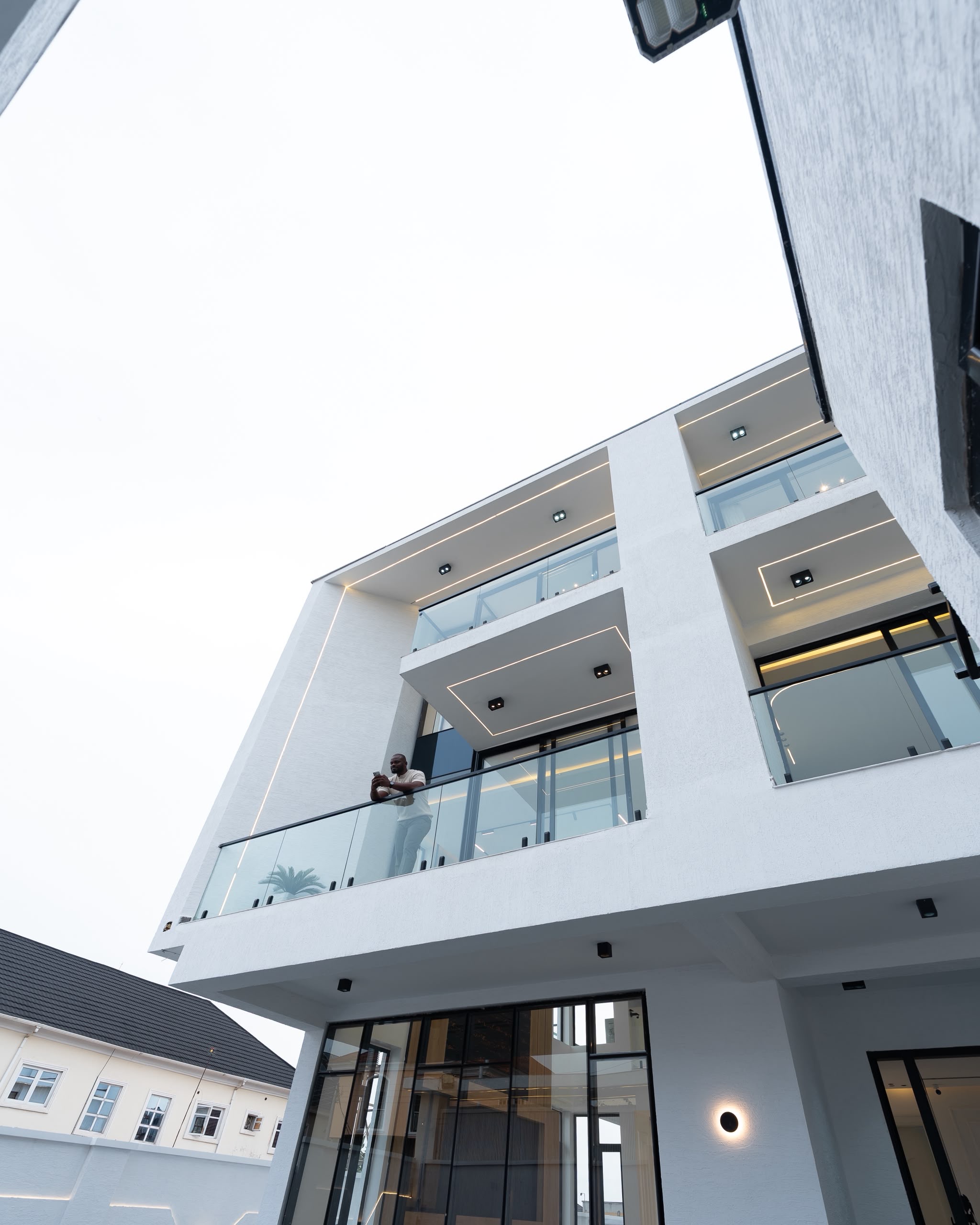
Exit: The Best Time to Think About Selling Is Before You Buy
Most people understand the excitement of entering an investment. Very few give the same attention to leaving one.
But the exit is not an unpleasant detail to think about later. It is part of the original decision.
If you needed to sell this property in two years, who would buy it?
If the answer is another investor, what return would make it attractive to them?
If the answer is an owner occupier, how many people can afford the price you will eventually need?
If your plan changes and you cannot sell immediately, can the property carry itself through rental income? Can you afford to hold it? What happens if the market becomes slower than expected?
These questions do not make an investor negative. They make the investment more real.
A property can look perfect when the only future you imagine is the one in which everything goes according to plan. The quality of an investment becomes clearer when you also consider what happens when life interrupts the plan.
Documents: The Most Important Part of the Property May Be the Part You Cannot See
A beautiful house with problematic ownership is still a problematic investment.
There is something almost comical about the order in which people sometimes inspect property. We can spend twenty minutes discussing the imported fittings in a bathroom and five minutes looking at the documents attached to an asset worth hundreds of millions. LOL.
The architecture is easier to enjoy, I know, but the paperwork is where the risk mostly hides.
Before falling in love with the house, understand what you are buying. Who owns it? What is actually being transferred? Have the relevant records and documents been properly investigated? Are there obligations, consents or issues that could complicate the transaction later?
It may not make for a beautiful video. Agreed. But it may save you from an ugly problem.
The House Is the Easy Part
I am not arguing against beautiful homes, quite the opposite. Good design matters. Quality matters. A well finished property can attract stronger tenants and buyers, create a better living experience and stand out in the right market.
Beauty has value.
It just simply cannot carry the entire investment.
The next time a property impresses you enough to make the decision feel obvious, I would pause and return to the five words I mentioned at the beginning.
Before you buy, ask:
- Who wants it?
- What does it actually return?
- What is truly happening around it?
- How do you eventually realise your investment?
- Have you properly investigated what you are buying?
A beautiful property can be the beginning of a very good investment.
But beauty, on its own, is only the beginning of the story.
MARGIN
What readers are saying

This journal is general market commentary and does not replace independent legal, valuation, tax or financial advice. Buyers should carry out proper due diligence and obtain appropriate professional advice before committing to a specific property transaction.
Held Olive Realty Ltd.
Real estate, considered personally.
← Read MARGIN Issue 008Back to MARGIN →
Speak with Held Olive Realty →